You finish your physical therapy session feeling pretty good, but the next day you’re stiff and sore. You start wondering if the therapist actually helped you or if they made things worse. This is a really common experience, and the answer might surprise you: soreness after PT is usually a sign that the treatment is working, not that something went wrong.
Why Soreness Happens After Physical Therapy
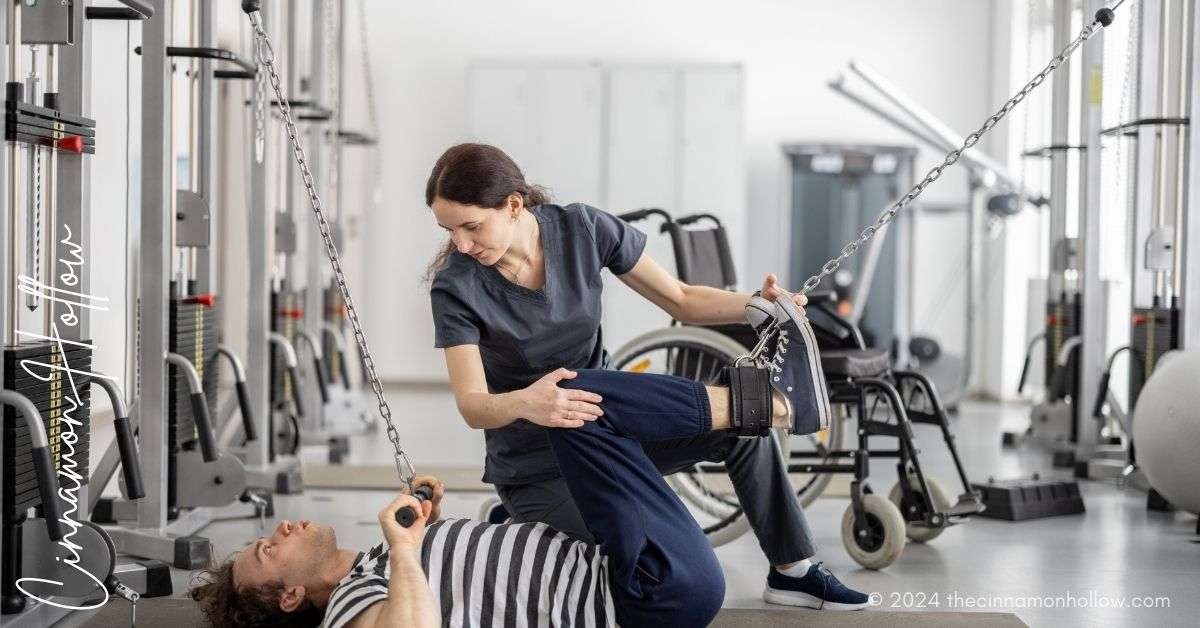
Physical therapy works by challenging your muscles and tissues in controlled ways. When your therapist puts you through exercises or uses techniques, you’re not used to, you create microscopic damage to muscle fibers. Your body responds by repairing and strengthening those fibers, which causes soreness as part of the healing process.
This is the same mechanism that creates soreness after any new exercise or physical activity. The fancy term is Delayed Onset Muscle Soreness (DOMS), and it’s totally normal.
What causes post-therapy soreness:
- Muscle fibers being broken down during exercises
- Your body’s inflammatory response as it repairs tissue
- Stretching and mobilizing stiff areas
- Introducing new movement patterns
- Increasing intensity or duration of activity
- Waking up muscles that haven’t been used properly
The soreness typically peaks around 24 to 48 hours after your session, then gradually improves. If it lasts more than a few days or gets worse instead of better, that’s worth mentioning to your therapist.
The Difference Between Good Soreness and Bad Pain
Here’s where it gets important: there’s a difference between therapeutic soreness and actual injury pain. Learning to recognize the difference prevents you from stopping treatment prematurely or pushing through something that’s genuinely harmful.
Good soreness feels like:
- General muscle tenderness and stiffness
- A mild aching sensation that improves with movement
- Soreness that peaks around day two and then decreases
- Discomfort that responds to ice, heat, or gentle movement
- Soreness in the areas where your therapist worked
Bad pain signals something’s wrong:
- Sharp, stabbing sensations
- Pain that gets worse each day instead of improving
- Swelling, redness, or warmth in a specific area
- Pain that interferes with normal daily activities
- Numbness, tingling, or nerve-related symptoms
- Pain in areas your therapist didn’t treat
If you experience bad pain, contact your therapist immediately. They need to know that something wasn’t right during your session so they can adjust their approach.
Managing Soreness Between Sessions
You don’t just have to accept soreness and deal with it. There are practical things you can do to reduce discomfort while your body adapts to treatment.
Ways to ease post-therapy soreness:
- Apply ice for 15-20 minutes in the first 24 hours
- Use heat after the first day to relax muscles
- Move gently and keep the area mobile (don’t rest completely)
- Stay hydrated to support tissue recovery
- Get adequate sleep so your body can repair itself
- Take over-the-counter pain relief if needed
- Light stretching helps more than complete immobility
Your physical therapist can also recommend specific techniques or exercises to help with soreness. Don’t just suffer in silence between appointments.
When Soreness Means Progress
If you’re working with a quality facility like Oakland Spine and Physical Therapy, your therapist monitors your soreness levels and adjusts treatment accordingly. Some soreness is expected and healthy. Excessive soreness means they might need to dial back intensity or try a different approach.
As your body adapts over several weeks of treatment, you’ll notice that soreness decreases even though your therapist might be giving you more challenging exercises. This is actually a great sign that your condition is improving.
Communicating With Your Therapist
Always tell your therapist about soreness you experience between sessions. They need this feedback to understand how your body is responding and whether treatment needs adjustment.
Mention specifically:
- When the soreness started
- How intense it was at its peak
- Where did you feel sore
- How long did it last
- What made it better or worse
This information helps your therapist fine-tune your treatment plan for optimal results.
The Bottom Line
Mild soreness after physical therapy is normal and usually indicates that your treatment is working. Your body is adapting and healing. The soreness diminishes as you progress through your treatment program. Stay consistent, communicate with your therapist, and manage discomfort sensibly. You’ll get through it and come out stronger on the other side.
The owners and authors of Cinnamon Hollow are not doctors and this is in no way intended to be used as medical advice. We cannot be held responsible for your results. As with any product, service or supplement, use at your own risk. Always do your own research and consult with your personal physician before using.

Meg is an author at Cinnamon Hollow. She writes on a variety of topics sharing tips and ideas for daily life.