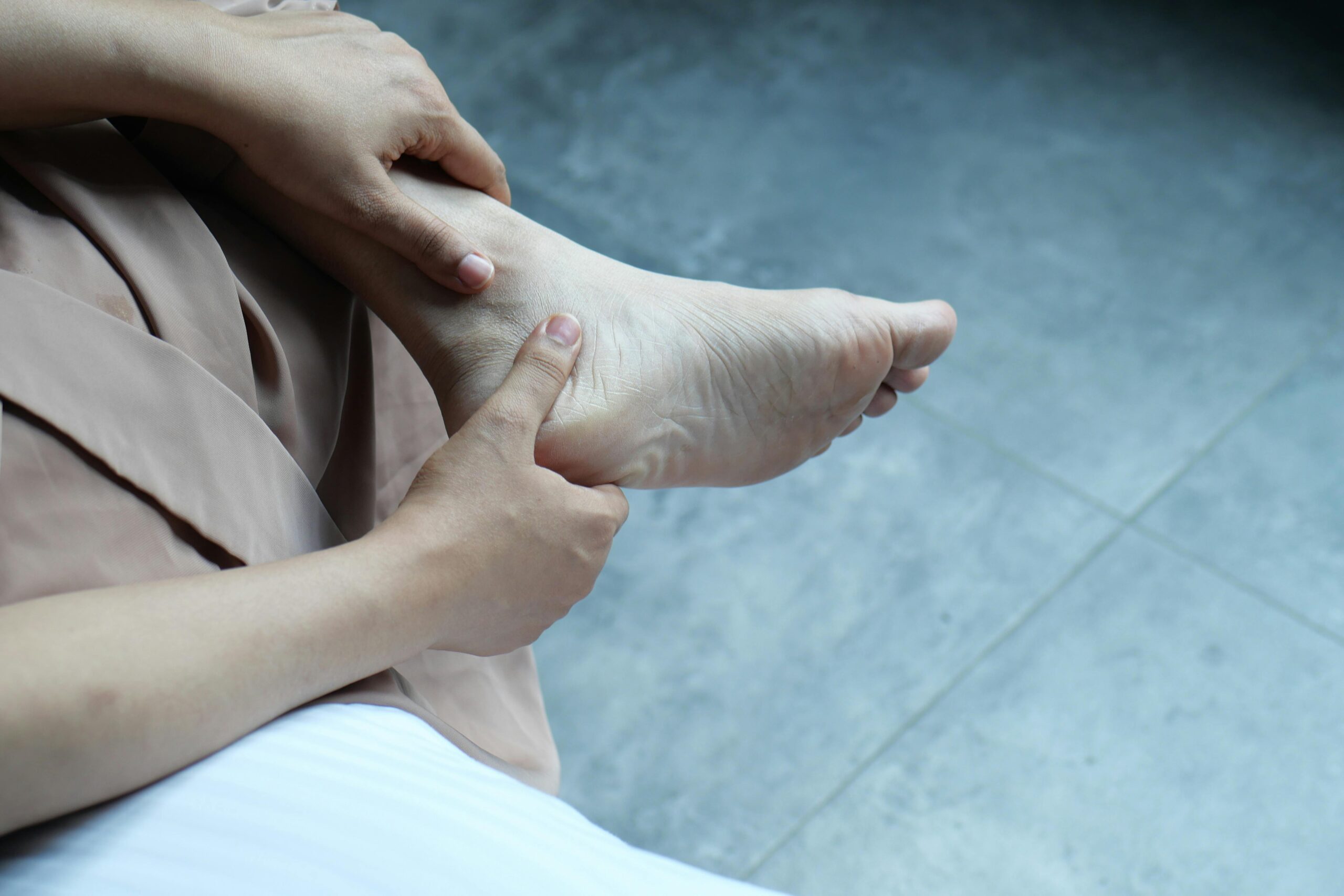
Are your aging parents struggling with peripheral neuropathic pain? That burning, tingling, or electric-shock sensation often stems from damaged nerves, maybe from long-standing diabetes, old injuries, or even chemotherapy years ago.
Unlike the dull ache of arthritis, neuropathic pain is unpredictable and relentless. It can disrupt sleep, limit mobility, and dim the joy in everyday moments like family dinners or a simple walk around the block.
You don’t have to stand by helplessly. With a little extra care and a hands-on approach, you can help your parents feel more comfortable and regain their independence.
Below are a few ways you can help your aging parents manage peripheral neuropathic pain:
#1 Modify the Home Environment
Your parents’ home should be their safe haven, not a minefield of trip hazards that flare up peripheral neuropathic pain through falls. Peripheral neuropathy often numbs the feet or causes balance issues, which is why it increases fall odds.
About 1 in 4 adults over 65 falls each year, according to the National Council on Aging (NCOA). Nerve issues amplify that through poor sensation and gait changes. Home modifications reduce that risk significantly.
A 2025 study published in the American Journal of Occupational Therapy on aging-in-place programs shows they help seniors stay independent longer and report less pain-related disability.
Install motion-sensor night lights in hallways and bathrooms. Add grab bars in bathrooms, non-slip mats, brighter lighting in hallways, and remove throw rugs. This can prevent those scary stumbles that exacerbate nerve pain.
Replace knobs with lever door handles. They reduce wrist strain. Meanwhile, raised toilet seats and shower chairs make routines less painful.
Don’t forget the kitchen. Outfit lower cabinets with pull-out drawers, so your parents can avoid the deep bending and reaching that often irritates pinched nerves.
#2 Explore Specialized Pharmacological Options
For effective peripheral neuropathy treatment, many families are looking into photobiomodulation (PBM). Often called infrared light therapy, it’s one of the biggest health breakthroughs of the mid-2020s.
Unlike heating pads, they don’t just warm the skin’s surface. Neuropathy Relief Centres explains that infrared light helps open up your blood vessels through a process called vasodilation, allowing more oxygen to reach the damaged nerve endings and support healing.
This boosts circulation, reduces inflammation around damaged nerves, and may even encourage minor nerve repair over time.
A 2024 study published in PubMed followed 144 patients with diabetic nerve pain. It found that combining 890nm infrared light with physical therapy significantly reduced pain in just six weeks. Beyond just pain relief, the patients showed better nerve function and a reduction in other symptoms.
Options range from clinic visits to at-home devices like Food and Drug Administration (FDA)-cleared pads or wraps (around $200-500).
However, it’s wise to start with professional guidance to get the right dosage and wavelength (typically near-infrared 800-900nm). Many users report tingling relief within weeks, plus better sleep and less reliance on pills.
#3 Focus on an Anti-Inflammatory Diet
Chronic inflammation keeps nerves on high alert, turning mild signals into major pain. What your parents eat directly fuels or fights nerve inflammation.
A 2025 study published in Frontiers linked higher pro-inflammatory diets to greater pain and disability in peripheral neuropathic conditions. An anti-inflammatory diet can calm down inflammation and provide the building blocks for nerve sheath repair.
Crowd the plate with colorful, whole foods and gently nudge out processed junk. Fatty fish like salmon or sardines twice a week deliver omega-3s that directly dampen nerve inflammation.
Berries, cherries, and dark leafy greens provide antioxidants that fight oxidative stress, which is common in aging nerves. Turmeric with a pinch of black pepper, ginger tea, olive oil, nuts, and avocados are great additions to any care plan. They are easy to digest and familiar to most people, making them stress-free dietary upgrades.
Hydration is just as important. Dehydration thickens blood and worsens nerve pain. Make sure they drink six to eight cups of water daily, flavored with lemon or cucumber if plain water bores them.
Try to cut back on things like white bread, fried foods, sugary snacks, and processed meats. These can trigger inflammation, which often worsens pain by the end of the day.
Frequently Asked Questions
How quickly can infrared light therapy help with nerve pain?
Many older adults notice reduced burning or tingling within 4 to 6 weeks of regular 20 to 30-minute sessions, 3 to 5 times weekly. However, results vary from person to person.
Does changing diet really make a difference for neuropathic pain?
Yes. An anti-inflammatory diet can reduce pain intensity significantly by lowering nerve inflammation. Focus on fish, berries, veggies, and olive oil while cutting sugar. Your parents will notice improvement within four to eight weeks.
What home modifications help elderly parents with neuropathic pain?
Simple changes like grab bars, non-slip flooring, brighter lighting, and removing rugs greatly reduce fall risk and ease movement. Raised toilet seats and shower chairs minimize strain. These modifications improve safety and independence quickly.
Summary of Key Statistics
| Statistic | Details | Relevance |
| 1 in 4 | Adults over 65 fall each year | Peripheral neuropathy increases fall risk due to numbness, imbalance, and gait changes |
| 144 patients | Followed in a clinical study on diabetic nerve pain | Combined 890nm infrared light (Photobiomodulation) + physical therapy significantly reduced pain in 6 weeks, with improved nerve function |
| 4–6 weeks | Typical time to notice reduced burning/tingling | Regular sessions (20–30 min, 3–5 times/week) |
| 4–8 weeks | Timeframe for noticeable pain reduction from diet changes | Focus on omega-3s, antioxidants, and reduced processed foods |
| Significant reduction in pain-related disability | Reported by participants | Home safety changes help seniors stay independent longer |
Caring for aging parents with chronic neuropathic pain is a journey of love, patience, and smart action. Follow these tips, and you can help them reclaim comfort, mobility, and joy. These practical, evidence-based strategies reduce pain, prevent falls, and support independence without heavy reliance on medications.
Always loop in their healthcare team, such as doctors or physical therapists, to personalize and monitor. Track what helps with a simple pain journal. Within a few weeks, your parents may move more freely, sleep better, and enjoy family moments again.
The owners and authors of Cinnamon Hollow are not doctors and this is in no way intended to be used as medical advice. We cannot be held responsible for your results. As with any product, service or supplement, use at your own risk. Always do your own research and consult with your personal physician before using.

Meg is an author at Cinnamon Hollow. She writes on a variety of topics sharing tips and ideas for daily life.