Reclothing means replacing the fabric on the playing surface and cushion rails with fresh material. It is one of the most effective ways to restore both the playability and the appearance of a home pool table.
In this guide, you’ll learn how to spot worn cloth, what a professional appointment involves, how to choose cloth for your household, and which simple habits help new cloth last. If you’re around Brisbane, you’ll also find a local starting point for getting the job done.
What Reclothing Is and Why It Matters
Pool table cloth sits under constant friction. Every shot drags balls across the surface. Over time, the fibres compress, thin out, and lose consistency. Reclothing means stripping away worn fabric and fitting a fresh piece, stretched tight and smooth, across the slate bed.
In most cases, the cushion rails, the cloth-covered rubber edges that balls bounce off, are recovered at the same time because old rail cloth can deaden rebounds and cause unpredictable angles.
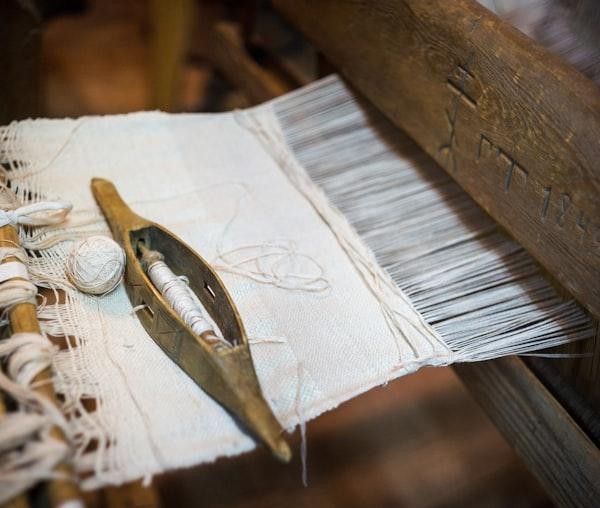
The difference after reclothing is easy to notice. Balls roll faster and straighter, spin behaves more predictably, and lint usually drops because fresh cloth sheds less fibre. Visually, the table looks cleaner and more inviting. For families, it can feel like a practical room refresh without buying a new table.
Is It Time to Recloth? A 60-Second Check
You don’t need a professional eye to tell whether your cloth is past its best. Walk over to your table, run your hand across the bed, and look for these signs:
- Pilling or fuzz. Small balls of fibre collect on the surface, especially around the break area.
- Bald or thin spots. The weave looks worn down, and the slate may show through.
- Slow or dead patches. Balls decelerate sharply or veer off line in certain areas.
- Tears near the pockets. Cloth around pocket openings takes extra stress and may split first.
- Burn or glaze marks. Shiny, hardened spots appear from repeated friction.
- Loose or rippled cloth. Fabric has stretched unevenly and no longer sits flat.
- Drifting balls. Give a ball a gentle roll through the centre. If it curves on what should be a straight path, the cloth or table level needs attention.
If you own an antique or period table, also consider whether the job should include colour-matching advice to maintain the table’s original character.
DIY vs. Professional Reclothing
Reclothing a pool table yourself is possible, and there are tutorials that explain the steps. Still, it is worth being honest about what the work involves before you commit.
A DIY recloth requires a staple gun or spray adhesive, depending on your table type, plus a sharp utility knife, a straight edge, and patience. The cloth must be pulled evenly across the slate to avoid wrinkles or loose sections. Getting the tension right on the cushion rails is especially tricky because uneven cloth changes how balls rebound.
The risks are real. Misaligned cloth can create dead spots. Staples placed incorrectly can chip slate seams. If cloth bunches under a rail, you may need to strip it and start again. For a family table, or one with sentimental or antique value, a mistake can be expensive to fix.
A professional reclothing service usually includes inspection of the slate, re-levelling, precise cloth fitting across the bed and rails, and a final roll test to confirm the table plays true. For many households, especially those with three-piece slate tables or older models, the professional route delivers a cleaner and longer-lasting result.
What Professionals Do During a Reclothing Appointment
If you’ve never had a table professionally reclothed, here is a plain-language walkthrough of what to expect:
- Assessment. The technician checks the cloth, rail rubber, frame, pockets, and level.
- Rail removal. The cushion rails are carefully unbolted and set aside.
- Old cloth removal. Staples or adhesive holding the existing cloth are removed.
- Slate inspection. Seams between slate sections are checked and filled if needed, and the table level is confirmed.
- New bed cloth fitting. Fresh cloth is laid over the slate, pulled tight, and secured evenly.
- Cushion rail recovering. Each rail is stripped, fitted with new cloth, and reattached.
- Reassembly and levelling. Rails are bolted back on, followed by a final level check.
- Roll testing. A ball is rolled along different lines to confirm consistent travel.
Brisbane readers looking for a local option can compare professional pool table reclothing services that cover both bed and cushion rail recovering, with guidance on cloth grades and colour matching for antique tables.
Cloth Choices That Fit How You Play
Pool table cloth generally falls into two families: woolen, or napped, and worsted, often called speed cloth. Understanding the difference helps you choose the right surface for your household.
Woolen, or napped, cloth has a slightly fuzzy texture and a visible directional grain. It is the traditional choice for many home tables and tends to be more affordable. Balls move a bit slower on woolen cloth, which some casual players prefer because it feels forgiving. The trade-off is that it collects more lint and may pill sooner under heavy use.
Worsted cloth, often called speed cloth, has a smoother, tighter weave with little to no nap. Balls travel faster and more predictably, and the cloth sheds less lint. It is common on tournament and club tables. Worsted cloth usually costs more, but it can last longer under regular play.
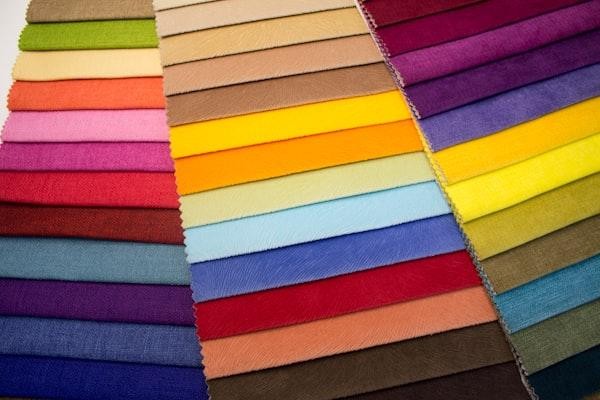
For a family game room with casual Friday-night sessions and the occasional serious frame, either type can work. Woollen suits relaxed play and tighter budgets. Worsted suits households that play often and want a faster, lower-lint surface.
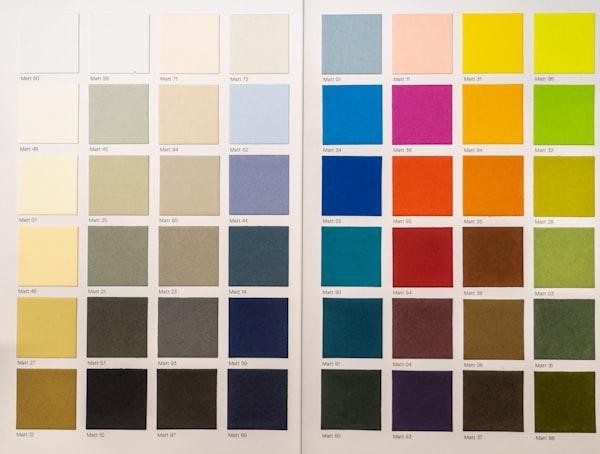
Beyond the weave, you will also choose a colour. Traditional green remains popular, but tournament blue, charcoal, tan, and burgundy are common too. Think about the room’s lighting, whether the table should blend in or stand out, and how much visible dust or pet hair will bother you. For antique tables, period-appropriate colours can help preserve the table’s character.
A Care Plan to Make New Cloth Last
Fresh cloth lasts longer with a few simple habits. None take much time, and together they can protect the result of a reclothing job
If you already keep a regular household schedule, the same mindset behind garage maintenance habits works well here: small tidy-ups prevent bigger repairs.
- Brush regularly. Use a soft-bristle billiards brush after each session, or at least weekly. On woolen cloth, brush with the nap.
- Vacuum gently. Once a month, use low suction with a soft brush attachment. Aggressive suction can pull the cloth.
- Use a fitted cover. When the table is not in use, a cover keeps dust, pet hair, and UV light off the cloth. In Brisbane’s sunny, humid climate, this is especially useful.
- Keep food and drinks off the rails. Spills can stain cloth quickly. Set up a side table nearby instead.
- Manage chalk dust. Encourage players to chalk cues away from the table, not directly over the bed.
- Pet-proof where you can. If pets climb on the table, keep nails trimmed and cover the table when unattended.
- Rotate the break position. If your household always breaks from the same spot, that area wears faster. Moving the cue ball slightly spreads wear.
- Close curtains on sunny days. For rooms with large windows, especially north-facing ones in Queensland, drawing blinds during peak sun helps prevent uneven fading.
Smart Add-Ons While the Table Is Apart
Because the rails are already off during a reclothing appointment, it is a good time to ask about a few common extras:
- Pocket liners. Worn liners can scuff balls or cause them to bounce out. Replacing them while the table is disassembled is straightforward.
- Rail rubber inspection. Cushion rubber hardens with age and loses bounce. If your rails feel dead, new rubber can restore rebound, though it may not be included by default.
- Slate seam check. On three-piece tables, seam filler can crack or shift over time. Inspecting it while the cloth is off avoids pulling the table apart again later.
These extras are not always necessary, but they are easier to address while the table is already apart.
Style Refresh Ideas After Reclothing
New cloth is also a chance to give the room a small lift. A few low-effort changes can make the space feel more considered:
For more inspiration, think of the cosy, easy-to-use feel of a cabin game room and adapt the ideas to your own space.
- Lighting. A warm pendant or billiard light hung at the right height reduces glare and shadows.
- Wall accents. A framed set of house rules, a scoreboard, or a simple print that picks up the cloth colour can tie the room together.
- Cue storage. A wall-mounted rack keeps cues organised and off the floor, which also protects their tips.
- Comfort underfoot. A low-pile rug around the playing area makes longer games more comfortable and softens the sound of dropped balls.
The goal is simple: make the room easy and enjoyable to use.
Back to Game Night
A pool table in good shape pulls people into the room. It turns a quiet evening into a friendly tournament, gives kids something to do away from screens, and makes hosting easier. The cloth is the part of the table you interact with most, so when it is fresh, the whole game feels better.
Take a minute to run the 60-second check. If the cloth is past its best, ask a local professional what a reclothing job would involve for your table.