Forty-five minutes into a Tuesday evening, with two kids asking what’s for dinner and a sink full of dishes from last night, the last thing you want to do is scroll through a recipe. That’s exactly the moment refrigerated Latin meals were made for. Bold sauces, slow-cooked proteins, real spice, and zero prep time. The problem? Most people walk right past them because they don’t know what they’re looking for or where to find them. This guide fixes that.
Why Latin Flavors Are Showing Up Everywhere Right Now
The demand for Latin foods at grocery stores isn’t a trend. It’s a permanent shift in the American palate. According to Pew Research Center (2025), the U.S. Hispanic population reached 68 million in 2024, nearly doubling since 2000, and that demographic growth has reshaped what supermarkets stock. Flavors that were once restricted to specialty grocery stores, things like guajillo-braised chicken, birria beef, and mole-based sauces, are now appearing in mainstream refrigerated aisles from coast to coast.
And it’s not only Hispanic households driving the demand. Non-Hispanic shoppers have developed a genuine appetite for the depth of flavor Latin cooking brings. Guajillo chiles, chipotle, achiote, and complex spice blends hit differently than a basic tomato sauce, and once you’ve tasted the real thing, jarred salsa just doesn’t cut it. Grocery buyers know this, which is why shelf space dedicated to refrigerated Latin options has grown steadily over the past few years.
The practical side of the story is just as compelling. Refrigerated meals in this category typically sit in the fresh or grab-and-go sections rather than frozen, which means they retain a texture and sauce consistency that’s noticeably closer to what you’d get from a restaurant or a home cook who actually had two hours to spare.
Where to Look in the Store
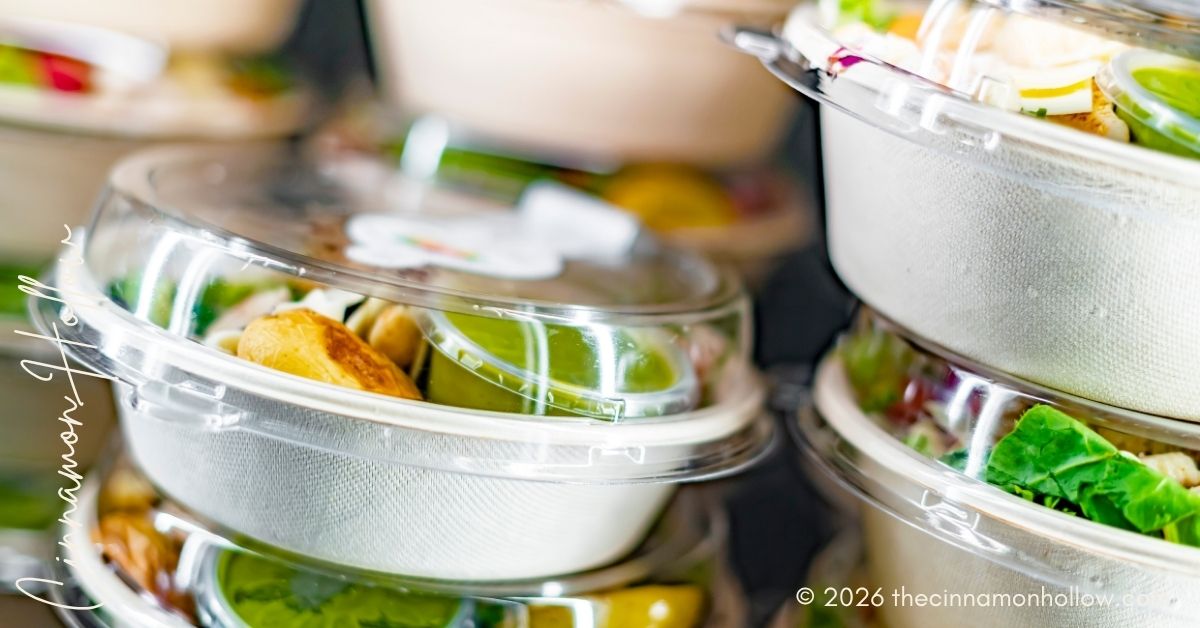
Most shoppers default to the frozen aisle for convenience meals. That’s a mistake when you’re hunting for quality Latin options. The refrigerated section is where the action is, and it’s not always where you’d expect.
Check these four spots on your next trip:
- The grab-and-go deli case, usually near the prepared foods counter. This is where single-serve burrito bowls, heat-and-eat entrees, and stuffed proteins land.
- The fresh meal section, often shelved near the produce aisle in larger stores. Retailers have been expanding this zone because refrigerated sells faster than frozen in urban and suburban formats.
- The natural and specialty food aisle, particularly in stores like Whole Foods, Sprouts, or regional co-ops. Smaller brands with cleaner ingredient lists tend to get placement here before they move to the main aisle.
- Near the tortillas and fresh Mexican staples. Some stores cluster Latin refrigerated products near the fresh tortilla display as a category block.
If you can’t find what you’re looking for, pull up the brand’s website and use their store locator. Most refrigerated Latin brands now publish which retailers carry their products by zip code, which saves you a wasted trip.
How to Read the Label Before You Buy
Not every product that uses “Latin-inspired” in the name actually delivers on flavor. Here’s a simple way to evaluate any refrigerated Latin meal before it goes into your cart. I call it the Flavor-Freshness Triangle, three things that have to land together for the product to actually be worth eating.
1. A named chile or sauce: Guajillo, ancho, chipotle, mole, achiote. If the only descriptor is “spicy” or “seasoned,” the flavor was probably built from generic spice blends rather than traditional Latin bases. Named chiles mean someone made real sourcing decisions.
2. A protein with a cooking story: Birria, barbacoa, carnitas, and slow-cooked chorizo all imply a specific preparation method. “Pulled pork” or “shredded chicken” with no context could mean anything.
3. A refrigerated, not shelf-stable, format: A meal that lives in the cold case rather than on a dry shelf is almost always made with fewer preservatives and a fresher ingredient profile. That matters both for taste and for the texture of sauces.
| Meal Type | What to Look For | Red Flag to Avoid |
| Burrito Bowl | Named chile in the sauce (guajillo, ancho) | “Seasoned” with no specifics |
| Braised Protein | Traditional method named (birria, barbacoa) | Generic “slow-cooked” with no preparation context |
| Mole-Based Dish | More than 5 listed spices or chiles | Chocolate listed first, heavy sugar content |
| Chorizo Dish | Pork chorizo, real paprika and garlic | Soy-based filler in first three ingredients |
Why the Weeknight Timing Makes All the Sense in the World
Think about this scenario: it’s 6:15 p.m., you grabbed a guajillo chicken burrito bowl from the refrigerated case during a lunch break run, and it’s sitting in your work bag. You get home, pop it in the microwave for three minutes, and dinner is on the table before anyone starts looking for snacks to fill the gap. That’s not a compromise. That’s a genuinely good meal, with layered sauce, seasoned rice, and a protein that tastes like it took effort.
This scenario plays out constantly because the numbers back it up. The Bureau of Labor Statistics’ American Time Use Survey (2025) tracks how Americans actually spend their hours, and the data shows that the average American spends only about 37 minutes per day on all food preparation and cleanup combined. That’s not enough time to properly braise anything. Refrigerated ready meals aren’t a shortcut for lazy cooks. They’re a rational response to a real constraint.
Browsing the refrigerated section of your local market for Latin food takes maybe two minutes. Eating it takes even less. And the flavor gap between a well-made refrigerated Latin meal and a fast food order is enormous.
A Practical Checklist Before You Shop
Use this before your next grocery run to make sure you come home with something worth eating:
- Check the refrigerated fresh meal case first, not the frozen aisle.
- Look for a named chile, sauce, or preparation method on the front of the package.
- Scan the ingredient list for real proteins listed first (chicken, beef, pork) ahead of starches or fillers.
- Check the spice level indicator if the brand includes one. Mild, medium, and hot designations help you match the meal to your household’s tolerance without a full ingredient review.
- Use the brand’s store locator online before making a special trip.
The Bigger Picture
Finding great refrigerated Latin meals at your local market is genuinely easier than it was three years ago. Supermarkets are stocking more options, the quality has gone up as competition has increased, and brands are doing the work to bring traditional Latin cooking techniques into a format that fits modern life. The flavor is real. The convenience is real. And once you start paying attention to what’s in that refrigerated case, you’ll wonder how you missed it for so long.
Next time you’re at the market, slow down in the fresh meals section. Spend two minutes checking labels against the Flavor-Freshness Triangle. Chances are, dinner is already there waiting for you.

Meg is an author at Cinnamon Hollow. She writes on a variety of topics sharing tips and ideas for daily life.