You might be feeling a mix of relief and frustration right now. Relief because you finally started orthodontic treatment with a Whittier orthodontist and took that big step toward a healthier, straighter smile. Frustration because the reality of regular appointments, schedule juggling, and a sore mouth after visits can feel like a lot.end
Maybe you have thought, “Do I really need to go in this often? What if I just push this next appointment a few weeks?” When life is busy, those questions are completely normal. At the same time, you probably do not want to do anything that might slow your progress or risk your results.
Here is the short version. Orthodontic treatment works through small, controlled changes over time. Regular adjustments are how those changes actually happen. They keep your teeth moving in the right direction, at the right speed, with the least risk. Skipping or delaying visits can quietly undo a lot of hard work.
So where does that leave you? It means that understanding why these visits matter can help you feel more in control, less resentful of the calendar, and more confident that the time you invest is truly worth it.
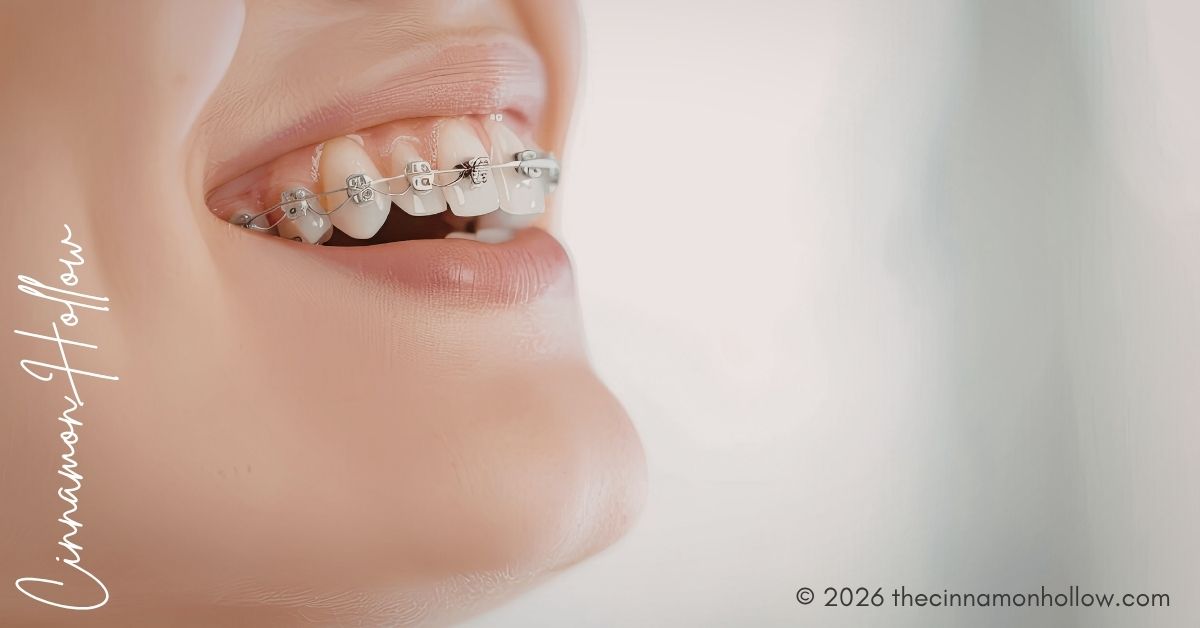
Why do regular orthodontic adjustments matter so much?
Orthodontic treatment is not just about putting braces or aligners on your teeth and waiting. It is a process that needs steady guidance. Brackets, wires, and aligners lose some of their force over time. Your teeth respond, your bite shifts, and your jaw adapts. Without regular check-ins, your treatment can drift off course without you realizing it.
The American Association of Orthodontists explains that braces rely on gentle, continuous forces to move teeth safely. You can read more about how braces work in their overview of orthodontic treatment with braces. Those forces need to be adjusted, fine tuned, and sometimes completely changed at each visit.
The emotional side is real too. You might worry about missing work or school, finding childcare, or driving across town again. If your mouth is sore after appointments, you may start to dread them. Because of this tension, you might wonder if it is worth pushing through or if you can stretch out the time between visits.
That is the heart of the problem. You want results, but you also want your life back. The risk is that trying to “save time” by skipping appointments can quietly cost you much more time later.
What happens if you stretch out visits or skip them?
Imagine a few common “what if” situations.
What if you miss an adjustment and do not reschedule for a month or two? During that time, your wire may no longer be applying the right pressure. Your teeth could slow down or even start to shift in less controlled ways. What you thought was a harmless delay might extend treatment or create new issues your orthodontist has to fix.
What if a bracket breaks or a wire pops out and you decide to wait until your next scheduled visit? That tooth might stop moving altogether. In some cases, it can move in the wrong direction. You may not see the problem in the mirror right away, but your orthodontist will see it on the next set of photos or scans, and it can add months to your plan.
What if your aligners are not fitting as tightly, but you figure you will just “push through”? Poor tracking with aligners can mean your teeth are not where they should be for the next set. That can lead to discomfort, extra refinement trays, or a longer treatment plan than you expected.
Harvard School of Dental Medicine notes that orthodontic care typically involves a series of visits for adjustments, monitoring, and fine tuning. You can see their summary of what orthodontic treatment involves in this helpful FAQ on orthodontic treatment steps.
So, when you hear that regular orthodontic visits are essential for treatment success, it is not about making your life harder. It is about protecting your investment of time, money, and effort.
5 reasons regular adjustments are key to orthodontic success
You may still be wondering, “Why exactly are these visits so important?” Here are five clear reasons.
1. They keep your teeth moving at a safe, steady pace
Your teeth sit in bone, and that bone remodels slowly. Orthodontic wires and aligners apply gentle forces that encourage this remodeling. Over time, those forces weaken. Adjustments re-activate and redirect them so your teeth keep moving, but not too fast.
Without consistent adjustments, your teeth can stall. On the other hand, trying to “rush” treatment with stronger forces without close monitoring can cause root damage or gum problems. Regular visits strike the right balance between speed and safety.
2. They allow your orthodontist to correct small issues before they grow
Teeth do not always follow the plan perfectly. One tooth may lag behind. Your bite may close unevenly. A tiny rotation may not correct as expected. These are normal, and they are exactly what adjustments address.
At each visit, your orthodontist checks your progress, compares it with the original plan, and tweaks things. That might mean changing the wire, adding elastics, or repositioning a bracket. These small course corrections are how you get a well balanced bite, not just straight front teeth.
3. They reduce the risk of discomfort and oral health problems
It may sound strange, but regular visits can actually reduce long term discomfort. If a wire is poking, a bracket is loose, or your bite is hitting hard on one side, those issues are usually quick to fix. Left alone, they can cause sores, headaches, or chewing problems.
Adjustments are also a chance to catch early signs of enamel wear, gum inflammation, or hygiene trouble around brackets. That early feedback helps you keep your mouth healthy while your teeth move.
4. They keep your treatment timeline realistic
Most people start treatment with a rough estimate of how long it will take. That estimate assumes regular visits. When appointments are missed or delayed, the timeline quietly stretches out.
The American Association of Orthodontists addresses the concern of being too busy for visits and explains why staying on schedule is so important. You can read their thoughts on balancing life and care in this piece about being too busy for orthodontic visits.
Understanding this can shift your mindset. Instead of seeing each appointment as “another thing on the calendar,” you can see it as one of the main ways to finish sooner.
5. They protect your final result and your confidence
The goal is not just straight teeth. It is a stable, comfortable bite that looks natural on your face. That level of detail comes from the later stages of treatment, when adjustments become very precise.
Those final fine tuning appointments are what prevent small spaces, uneven edges, or a bite that feels slightly “off.” Regular visits give your orthodontist the chance to polish the result so your smile looks and feels right, not just “better than before.”
Seen this way, consistent orthodontic checkups for braces and aligners are less about rules and more about respecting the progress you have already made.
How do regular adjustments compare to stretching or skipping visits?
You may be weighing your options. “If I stretch visits a bit, will it really matter?” This comparison can help you see the tradeoffs more clearly.
| Approach | Short term appeal | Likely impact on results | Likely impact on total treatment time |
|---|---|---|---|
| On schedule, regular adjustments | More trips, more planning | Teeth move in a controlled way, better bite and smile detail | Stays close to original estimate, fewer surprises |
| Frequently rescheduled or delayed visits | Fewer appointments in the short term | Teeth may stall or drift, more small problems to fix | Often adds months, sometimes longer |
| Skipping visits unless there is a problem | Feels easier day to day | Higher risk of poor alignment, bite issues, or uneven results | Can significantly extend treatment and may require extra corrections |
This is why orthodontists emphasize that consistent orthodontic care is just as important as the braces or aligners themselves.
What can you do right now to make regular visits manageable?
Knowing that adjustments matter is one thing. Fitting them into real life is another. Here are three practical steps you can take.
1. Treat your adjustment dates like non negotiable health appointments
It can help to put orthodontic visits in the same category as important medical checkups. Once an appointment is set, add it to your calendar, share it with family members who help with rides or childcare, and avoid stacking other commitments too close to it.
If something truly unavoidable comes up, reschedule as soon as possible, not “sometime later.” A short delay is usually manageable. Long gaps are what cause trouble.
2. Talk openly with your orthodontist about your schedule and concerns
If you are feeling overwhelmed by the frequency of visits, say so. Many offices offer early morning, evening, or occasional weekend hours. Some appointments can be shorter “check and adjust” visits, while others are longer. Your orthodontist can often help you plan a schedule that respects your time without sacrificing results.
Ask which visits are most time sensitive and which have a little flexibility. Clear communication can turn a stressful calendar into a shared plan.
3. Prepare for each visit so recovery is smoother
Some soreness after adjustments is normal, but you can make it easier on yourself. Before your appointment, stock soft foods like yogurt, pasta, or smoothies. Have over the counter pain relief on hand if your orthodontist says it is appropriate for you. Keep orthodontic wax available for any new rubbing spots.
Knowing you are prepared can reduce anxiety before visits and make it easier to keep them, instead of dreading how you will feel afterward.
Moving forward with confidence in your orthodontic journey
You took a brave step when you started treatment. You may be tired of appointments, sore teeth, and rearranged schedules. That frustration is completely human. At the same time, each regular adjustment is one more step toward the finish line, not just another disruption.
By understanding why these visits matter, planning ahead, and working with your orthodontist, you can protect your progress and give yourself the best chance at a healthy, stable, confident smile that lasts.
You do not have to be perfect. You just need to stay engaged, ask questions, and keep showing up. Your future self, looking in the mirror with a finished smile, will be grateful you did.
The owners and authors of Cinnamon Hollow are not doctors and this is in no way intended to be used as medical advice. We cannot be held responsible for your results. As with any product, service or supplement, use at your own risk. Always do your own research and consult with your personal physician before using.