You might be watching your pet and wondering if you are really doing the right thing with their food. Maybe the vet at an animal hospital in Humble, TX mentioned your cat is a little overweight, or your dog’s blood work hinted at early kidney changes, and now every scoop of kibble feels like a decision with real weight. You care deeply, you read labels, you search online, yet the more you read, the less certain you feel.
That is a hard place to be. You are trying to protect a family member, but the world of pet nutrition is crowded with opinions, marketing claims, and conflicting advice from friends, breeders, and social media. It is easy to feel guilty, or even judged, when someone says “Oh, you still feed that brand?” or “You should only feed fresh food.”
Nutrition counseling at an animal clinic exists to pull you out of that confusion. Instead of guessing, you can sit with someone whose only goal is to match your pet’s unique needs with the right feeding plan. At its best, nutrition counseling for pets becomes a quiet but powerful way to prevent disease, support treatment, and give your animal a longer, more comfortable life.
So where does that leave you right now? It means there is a calmer, more informed way forward. You do not need to know everything about pet food. You just need to know enough, and you can borrow your veterinary team’s knowledge to get there.
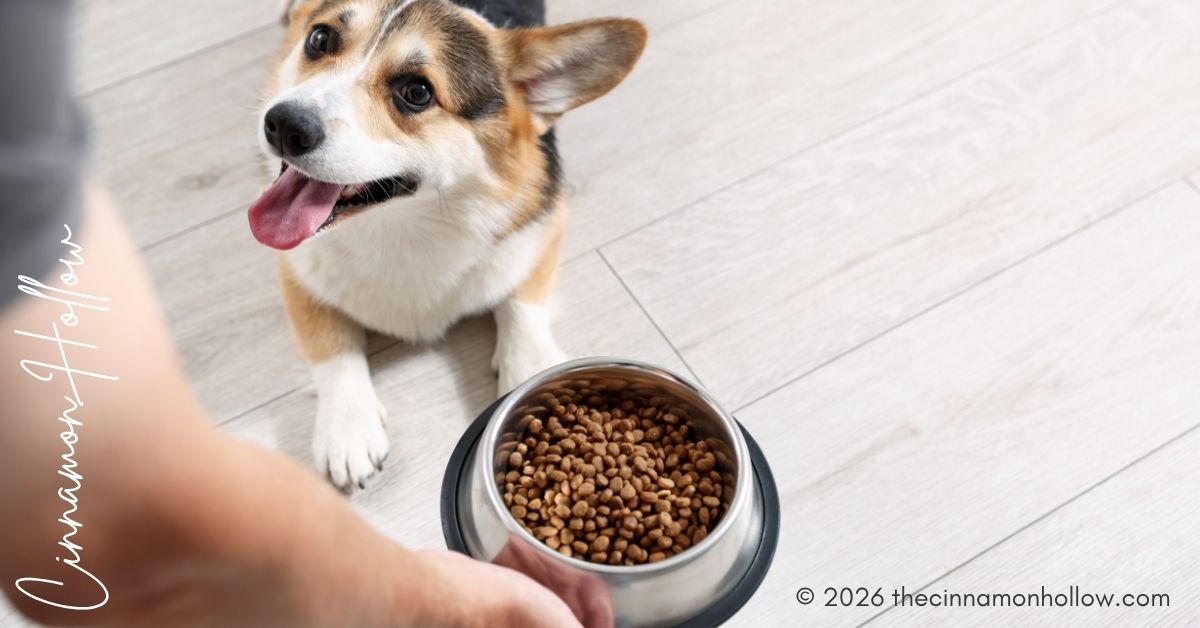
Why does pet nutrition feel so confusing, and what is really at stake?
Think about the last time you stood in the pet food aisle. Rows of bags and cans, each promising something different. “Grain free.” “High protein.” “Natural.” “Veterinarian recommended.” You might have chosen based on price, or an online review, or what a friend feeds. It probably felt like you were doing your best with the information you had.
The problem is that marketing rarely matches medical need. A healthy young dog has different nutritional needs than a senior cat with kidney disease. A growing large-breed puppy has different requirements than a tiny adult indoor cat. When food is not matched to a pet’s life stage or health status, you might see problems like weight gain, poor coat quality, digestive issues, or more serious disease over time.
This is where the stress can really build. Maybe your vet has gently mentioned that your pet is overweight. You might feel defensive or ashamed, as if you have failed them. Or you might be worried about costs. Prescription diets and high-quality foods can feel expensive. You may wonder if you are being “sold” something or if it is truly needed.
On top of that, the internet is full of strong opinions about what you “must” or “must not” feed. Raw diets, home-cooked recipes, grain free foods. Some people speak with such certainty that it is easy to feel lost. Because of this tension, you might delay making any change at all, which quietly puts your pet at risk.
Nutrition counseling at an animal clinic is designed to cut through that noise. A trained veterinary team looks at your pet’s whole picture. Age, breed, lifestyle, medical history, current lab work, weight trends, even your budget and daily routine. Then they help you create a feeding plan that is realistic for you and appropriate for your animal. It is not about judging what you have done so far. It is about starting from where you are and moving toward better health.
How can nutrition counseling improve your pet’s health and daily life?
To understand the impact of pet nutrition guidance, it helps to imagine a few common “what if” situations.
What if your middle aged indoor cat is a little overweight and has arthritis starting in her hips. With nutrition counseling, your vet team might recommend a calorie controlled diet that also includes specific nutrients for joint support. Over time, safe weight loss reduces stress on her joints, and the joint support nutrients help with comfort. You may notice she jumps more easily and plays again. The food becomes part of her pain management plan, not just a meal.
What if your dog has early kidney disease. Without guidance, you might keep feeding a regular maintenance diet, not realizing that excess phosphorus and protein can speed up kidney damage. With nutrition counseling, your vet can recommend a kidney friendly diet tailored to your dog’s stage of disease. This type of diet has been shown in studies to slow progression and improve quality of life. Food becomes part of the treatment, not an afterthought.
What if your new puppy has soft stool and endless energy. You might be tempted to switch foods every few weeks, hoping to “fix” the problem, which can actually upset the digestive system more. A structured nutrition consult helps you choose a growth diet appropriate for your puppy’s size and breed, then adjust feeding amounts and transition slowly. You get a clear plan, and your puppy gets stability.
Animal clinics that take nutrition seriously often use formal tools, such as the AAHA nutritional assessment guidelines. These guidelines encourage routine nutrition checks at every visit, so small problems are caught early. That means weight gain is noticed before it becomes obesity. Subtle changes in appetite are explored before they turn into a crisis.
In this way, nutrition counseling is both preventive and therapeutic. It prevents diseases linked to poor diet and extra weight, and it supports pets already living with chronic conditions. You are not just buying food. You are buying time, comfort, and stability for your animal.
Is DIY feeding enough, or do you need professional guidance?
You might be wondering whether you really need a clinic’s help. After all, plenty of people pick up a bag of food at the store and their pets seem fine. The truth is that some animals do well with basic over the counter diets, especially when they are young and healthy. Others need more targeted care, and it is not always obvious which category your pet falls into.
The table below compares common “DIY” feeding approaches with structured nutrition counseling at an animal clinic. This can help you see where you stand today.
| Aspect | DIY Feeding Without Guidance | Nutrition Counseling At An Animal Clinic |
|---|---|---|
| How food is chosen | Based on price, marketing, online reviews, or word of mouth | Based on medical history, life stage, body condition, and lab results |
| Weight control | Often by “eyeballing” portions, frequent treats, irregular checks | Measured portions, regular weigh ins, clear target body condition score |
| Chronic disease support | General diets that may not match kidney, heart, or GI needs | Therapeutic diets shown in research to support specific conditions |
| Risk of nutrient imbalance | Higher, especially with home cooked or raw diets without expert input | Lower, formulas checked by veterinary nutrition experts |
| Long term cost | Food may be cheaper, but health issues from poor diet can increase vet bills | Food can cost more, but better health often reduces long term medical costs |
| Support and adjustments | Changes based on guesswork when problems show up | Planned rechecks, adjustments as your pet ages or lab values change |
University based services, such as the veterinary nutrition service at the University of Minnesota, show how detailed this work can be. They build custom diets, review commercial foods, and help manage complex medical cases through nutrition. Your local clinic may not offer that exact level of specialization, yet the same principles apply. Matching the right food to the right pet at the right time matters.
Three practical steps you can take about your pet’s nutrition today
1. Ask for a formal nutrition assessment at your next vet visit
Instead of a quick “Is this food okay” at the end of the appointment, tell the clinic when you schedule that you want to talk about diet. Bring photos of all foods, treats, chews, and supplements, or bring the actual packaging. Be honest about amounts and table scraps. A good nutrition conversation is built on real information, not the “ideal” picture of what you wish you were feeding.
Ask specific questions. Is this diet complete and balanced for my pet’s life stage. Is my pet at an ideal body condition. If not, what is the target weight and how do we get there safely. This turns a vague chat into a clear plan.
2. Choose one clear change and commit to it for at least 4 to 6 weeks
Nutrition changes take time to show results. Instead of switching foods every few days, work with your veterinary team to pick one change. That might be transitioning to a therapeutic diet, measuring portions with a cup, cutting daily treats in half, or adding a prescribed supplement.
Give that plan a fair trial, usually a month or more, unless your vet advises otherwise. Track simple things. Weight, energy level, coat quality, stool consistency, appetite. This helps you and your clinic see what is working and what still needs adjustment.
3. Treat nutrition as part of medical care, not a separate issue
When you think about your pet’s health, try to place food alongside vaccines, parasite prevention, and regular exams. If your dog has arthritis, ask how diet and weight can support joint care. If your cat has urinary issues, ask what feeding strategies reduce the risk of another episode.
This shift in mindset turns basic feeding into veterinary nutrition support. You stop seeing food as just “what they like” and start seeing it as one of the most consistent treatments your pet receives, several times every single day.
Finding confidence and calm in your pet’s feeding routine
Feeling uncertain about your pet’s food does not mean you have failed. It simply means you are ready for better information. With thoughtful nutrition counseling at an animal clinic, you can move from guessing to knowing, from reacting to planning.
Over time, that confidence shows up in small but meaningful ways. A steadier weight. Fewer stomach upsets. A shinier coat. Better lab values. More comfortable movement. Most of all, you gain the quiet relief of knowing that each meal is working with you, not against you, to protect the animal you love.
You do not have to change everything overnight. Start with one honest conversation with your veterinary team about diet, and build from there. Your pet’s body feels every bite. With the right guidance, those bites can become one of the strongest supports for their health and their years with you.

Hi, I’m Crystal – a Kentucky-based Aromatherapist, wife, mom and the voice behind The Cinnamon Hollow. I share cozy, real-life inspiration for healthier routines, simple home living, essential oil use and safety, beauty, pets, and family adventures. From everyday tips to travel guides, my goal is to help you create a warmer life and embrace each day as its own little adventure. Always remember to live life, one adventure at a time! read more