Signing your first lease is an exciting milestone, but it also comes with important responsibilities that shouldn’t be overlooked. A lease is a legally binding agreement that affects your finances, living situation, and daily routine for months or even years. Understanding the details before you sign can help you avoid unexpected expenses, reduce stress, and make informed decisions that lead to a positive renting experience.
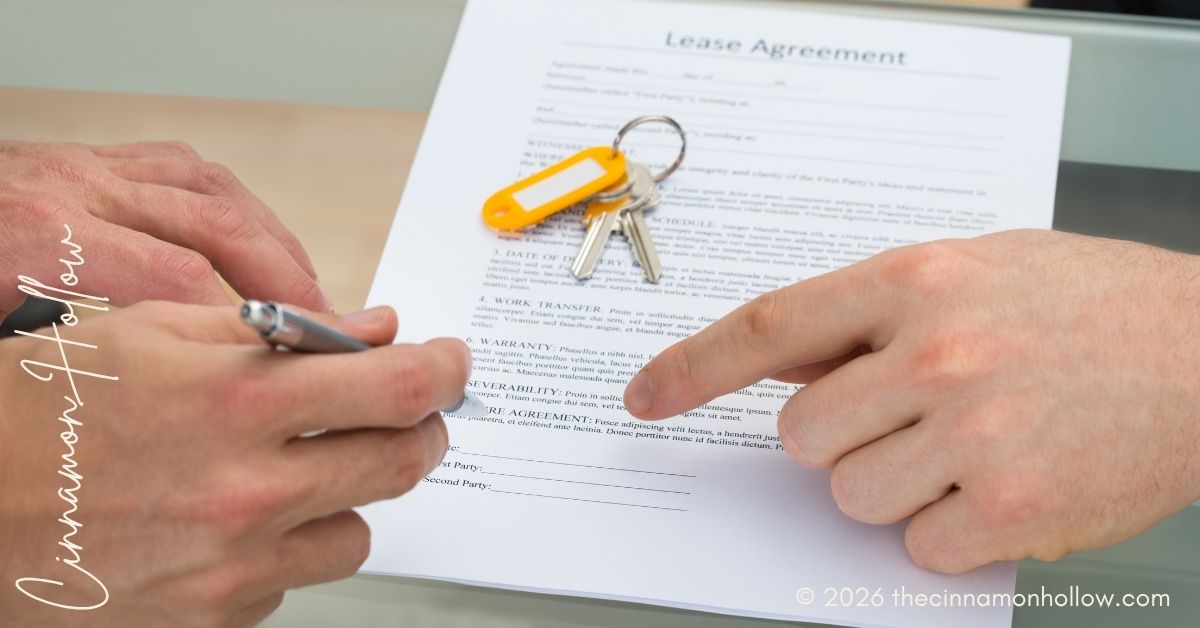
Understand Every Section of the Lease Agreement
A lease agreement outlines the rights and responsibilities of both the tenant and the property owner. While it may seem lengthy or filled with legal terminology, taking the time to read every section carefully is one of the most important steps before signing. Overlooking even a small detail can lead to misunderstandings or unexpected costs later.
Pay close attention to the lease duration, monthly rent amount, payment due dates, late payment penalties, renewal terms, and conditions for ending the lease early. Some agreements also include rules regarding guests, parking, pets, property alterations, and noise expectations. Understanding these terms in advance helps prevent future conflicts and ensures you know exactly what is expected throughout your tenancy.
If any clause appears confusing or unclear, don’t hesitate to ask for clarification before signing. It’s always better to fully understand your obligations than to make assumptions that could become costly later.
Review Fees Beyond Monthly Rent
Many first-time renters focus only on the advertised monthly payment, but additional costs can significantly affect the overall budget. Some properties require application fees, security deposits, utility payments, parking charges, or maintenance-related expenses that are separate from rent.
Creating a complete list of expected monthly and one-time expenses provides a more realistic picture of affordability. This approach helps prevent financial surprises after moving into your new home.
Determine Whether the Apartment Fits Your Budget
Affordability goes beyond simply being able to pay rent each month. A well-planned housing budget should leave enough room for groceries, transportation, insurance, savings, entertainment, and emergency expenses. Stretching finances too thin can quickly create unnecessary stress during your lease term.
When comparing affordable apartments in Salt Lake City, consider the complete value offered rather than focusing solely on the advertised rental price. Factors such as included utilities, commuting distance, nearby amenities, parking availability, and maintenance services can all influence the true cost of living in a particular location.
Creating a detailed monthly budget before apartment hunting helps establish realistic price limits. Knowing exactly what you can comfortably afford allows you to narrow your search and avoid becoming emotionally attached to properties that exceed your financial comfort zone.
Plan for Future Financial Changes
Consider whether your income is stable enough to support the lease throughout its entire duration. Unexpected expenses, job changes, or emergencies can affect your ability to meet financial obligations.
Maintaining an emergency fund before signing a lease provides additional security and reduces the likelihood of financial hardship if unexpected circumstances arise.
Inspect the Property Before Moving In
Never rely solely on photographs or promotional descriptions when choosing a rental. A thorough property inspection allows you to identify existing damage, verify the condition of appliances, and ensure everything functions properly before taking possession.
Walk through every room carefully while checking doors, windows, plumbing fixtures, heating and cooling systems, electrical outlets, lighting, flooring, and kitchen appliances. Document scratches, stains, dents, or other visible issues with written notes and dated photographs.
Reporting existing damage before moving in protects you from being held responsible when your lease ends. Maintaining clear documentation also helps simplify the security deposit process after you move out.
Ask Questions During the Tour
Use property visits as opportunities to gather information that may not appear in the lease. Ask about maintenance response times, emergency repair procedures, trash collection, package delivery, parking rules, and building security.
Understanding how management handles routine issues provides valuable insight into what daily living may be like after you move in.
Learn Your Rights and Responsibilities as a Tenant
Every lease establishes responsibilities for both tenants and property owners. While renters are expected to pay rent on time and maintain the unit responsibly, property owners also have obligations regarding safety, habitability, and necessary repairs.
Understanding these responsibilities helps establish realistic expectations throughout your tenancy. Becoming familiar with local rental regulations can also help you recognize situations where additional clarification or assistance may be appropriate.
Communication plays a significant role in maintaining a positive landlord-tenant relationship. Reporting maintenance concerns promptly and following lease procedures for requests or notices helps resolve issues efficiently while demonstrating responsible tenancy.
Keep Copies of Important Documents
Store signed lease agreements, inspection reports, payment receipts, and written communication in a secure location. Having organized records can prove valuable if questions or disagreements arise later.
Digital copies provide an additional layer of protection and make important documents easier to access whenever needed.
Prepare for a Smooth Move-In Experience
Once your lease is signed, careful planning can make moving day significantly less stressful. Creating a checklist helps ensure important tasks are completed before and after arriving at your new home.
Arrange utility connections, update your mailing address, purchase essential household supplies, and schedule movers or transportation well in advance. Completing these tasks early reduces last-minute complications and allows you to settle into your new space more comfortably.
Taking time to organize furniture placement and unpack systematically also makes the transition feel more manageable. Instead of rushing through every task, focus on creating a comfortable and functional living environment one step at a time.
Build Good Habits From the Beginning
Paying rent on time, respecting community rules, and communicating promptly about maintenance concerns establish a strong rental history. Positive rental references can become valuable when applying for future housing opportunities.
Developing responsible habits during your first lease also helps build confidence and prepares you for future rental experiences with greater ease.
Conclusion
Signing your first lease is more than simply choosing a place to live—it is an important financial and legal commitment that deserves careful consideration. By understanding your lease agreement, budgeting wisely, inspecting the property thoroughly, learning your responsibilities, and preparing for move-in day, you can approach the rental process with confidence. Taking these steps helps create a smoother experience and lays the foundation for successful, stress-free renting.

Meg is an author at Cinnamon Hollow. She writes on a variety of topics sharing tips and ideas for daily life.