You have a split seam running down the front of your favorite booth, and it has been there for three weeks. The vinyl is cracked, the foam is peeking through, and every customer who sits there feels it before they see it. The question that keeps circling in your head is the one every operator faces eventually: do I repair this or rip it out? The honest answer is that most booths need repair long before they need replacement, and knowing the difference saves you thousands. This guide walks you through exactly how to make that call, what it costs, and when holding onto old seating is actually the smartest financial move you will make all year.
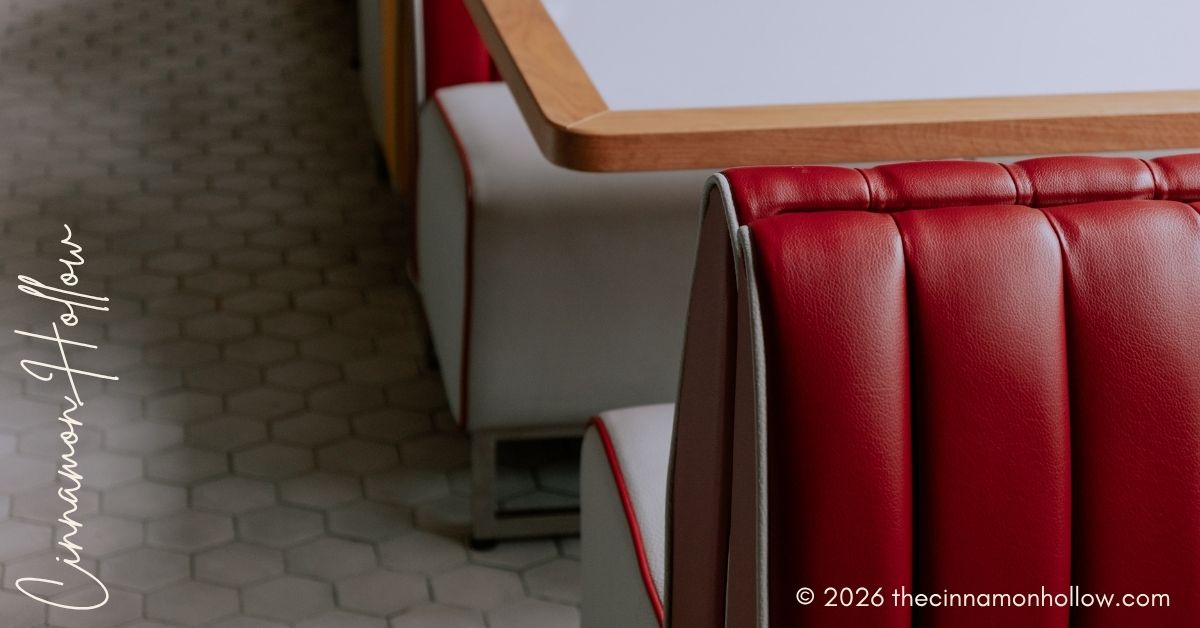
What Actually Wears Out on a Restaurant Booth
Booths fail in layers, and the layer that breaks first is almost never the one you think. The vinyl surface takes the visual damage, sure. Cracks, scuffs, and discoloration show up within a couple of years in a busy spot. But the structure underneath, the plywood frame, the steel brackets, the foam core, usually outlasts the upholstery by a wide margin.
Think about what your booth endures in a single shift. Customers slide in and out, plates land hard, cleaning crews hit the surfaces with disinfectant multiple times a night. That constant friction wears the surface material long before the bones of the booth give out. So when you see a torn seat, you are looking at a surface problem, not a structural one, and surface problems are exactly what repair technicians fix every day.
Here is a quick breakdown of what fails and how fast:
- Vinyl and leather surfaces: Crack, fade, and tear from daily use and cleaning chemicals. Expect visible wear in 2 to 4 years.
- Foam cushioning: Compresses and flattens over time but rarely needs full replacement unless it is waterlogged or completely disintegrated.
- Frame and brackets: Usually built to last a decade or more. If these fail, you have a genuine replacement situation.
The practical takeaway here is simple. If the frame is solid and the foam still has some spring, you are dealing with a cosmetic repair, not a capital expense. Most operators jump straight to replacement because that is the only option they know about.
How Much Does Repair Actually Cost?
Here is where the math gets interesting. A full booth replacement runs anywhere from several hundred to well over a thousand dollars per unit once you factor in the furniture itself, delivery, and installation labor. And that is before you count the revenue you lose while the booth sits empty waiting for the new one to arrive.
Repair, on the other hand, costs a fraction of that. A professional technician patches the vinyl, replaces the damaged cushion, or reupholsters the seat on-site, usually in a single visit. You keep the booth in service, you keep the frame you already paid for, and you spend a small percentage of what replacement would cost.
The labor market backs this up. According to the Bureau of Labor Statistics, upholsterers earned a median hourly wage of about $18 in 2023, which tells you the skilled labor involved in furniture restoration is far more affordable than most owners assume. When you compare that hourly rate against the cost of new commercial furniture, the repair path almost always wins on price.
The Hidden Cost of Downtime
Here is the thing nobody prices into the replacement decision correctly: the empty seat. Every day a booth is out of service, you are not just losing that seat’s revenue. You are squeezing the tables around it, making the dining room feel emptier than it is, and adding stress to your floor staff who have to manage the flow around a gap in the layout.
A replacement booth means waiting for the order to ship, scheduling delivery, and then shutting down that section while installers work. For a booth repair, the technician shows up with everything in the van and finishes the job on-site. In many cases, you can keep the restaurant running normally and just work around the tech for a few hours.
The math gets even clearer when you look at how long the repair holds up. A quality vinyl repair, done with the right adhesives and color matching, extends the life of the booth for years. The U.S. Census Bureau’s retail data shows consumer spending at food services and drinking places hit roughly $5.5 trillion annually in 2024, which means your competitors are fighting hard for every guest. You cannot afford to have seats out of commission for a week over a problem that could be fixed in a morning.
When Replacement Is Actually the Right Call
Let me be clear that repair is not always the answer. There are times when you should cut your losses and buy new furniture, and pretending otherwise is just stubbornness.
You should replace when the frame itself is compromised. If the wood is rotting, the metal brackets are snapped, or the booth wobbles dangerously when someone sits down, no amount of upholstery work will fix that. You also need to replace when the foam has completely broken down to the point where guests sink into the seat and struggle to get back up. That is a comfort problem, and comfort directly affects how long people stay and what they tell their friends.
Another angle to consider is your brand refresh cycle. If you are planning a full restaurant remodel in the next six months, patching up old booths is throwing money at something you are about to toss anyway. In that case, stage your repairs and put the budget toward the new build-out.
A Simple Test to Decide Right Now
You do not need a consultant to make this call. You need ten minutes and a clear head. Here is the decision process I recommend to every operator I talk to.
First, check the frame. Push hard on the top of the booth back. Rock it side to side. If it feels solid, the bones are good. Second, press into the seat cushion. If it springs back within a second or two, the foam still has life. Third, look at the damage itself. Small tears, cracked seams, and surface fading are all repair territory. If the damage is confined to the surface and the structure is sound, you have your answer.
One more thing worth checking is the safety angle. Torn vinyl can become a trip hazard if it peels up at the edges, and sharp foam edges can snag clothing or scratch guests. The National Institute of Standards and Technology has published extensive fire safety testing on upholstered furniture materials, which is a reminder that well-maintained surfaces are not just about looks. A clean, intact surface is part of keeping your space safe and compliant.
What a Professional Repair Actually Looks Like
If you have only ever seen replacement quotes, the repair process can feel like a mystery. It shouldn’t be. A good mobile technician walks in with color-matched vinyl, industrial adhesives, and the tools to patch, weld, and reupholster right in your dining room.
The technician starts by cleaning the damaged area to remove grease and grime that would prevent the adhesive from bonding. Then they cut a patch or a new piece of material, apply the adhesive, and use heat to weld the seams together. For larger jobs, they may remove the cushion entirely, rebuild the foam, and stretch new vinyl over the whole unit. The result looks close to factory new, and you never had to move a single table.
That on-site convenience is why so many restaurant owners in the Cincinnati area turn to restaurant furniture repair in Cincinnati rather than chasing replacement quotes. The service comes to you, the job finishes fast, and the dining room keeps operating through most of it.
Extending the Life of Your Booths After the Repair
Once you fix the damage, the goal is to not repeat it. A few habits will keep your booths looking good for years longer than the average lifespan.
Train your cleaning crew on which chemicals to use. Harsh solvents strip the protective finish off vinyl and make it crack faster. A mild soap and water solution, applied with a soft cloth, cleans just as well without the damage. Address spills immediately instead of letting them soak into seams, where they break down the adhesive over time.
Rotate booth usage if you can. It sounds odd, but the booths near the door take more abuse than the ones in the back. Moving your seating layout occasionally spreads the wear evenly and keeps the whole room looking consistent.
And schedule a quick inspection twice a year. Catch a small seam split when it is an inch long and the repair is cheap. Let it run for six months and you are reupholstering the whole cushion. Same problem, wildly different price tag.
The pattern here is a simple one. Booths are built to survive, but they need a little attention along the way. The repair versus replacement decision does not have to be agonizing. Check the frame, check the foam, and check the extent of the damage. If the structure is solid, you are one technician visit away from a dining room that looks fresh, at a price that does not wreck your operating budget. So the next time you see that split seam, take the ten minutes to test the booth before you start pricing out new furniture. It might be the best financial decision you make t

Meg is an author at Cinnamon Hollow. She writes on a variety of topics sharing tips and ideas for daily life.