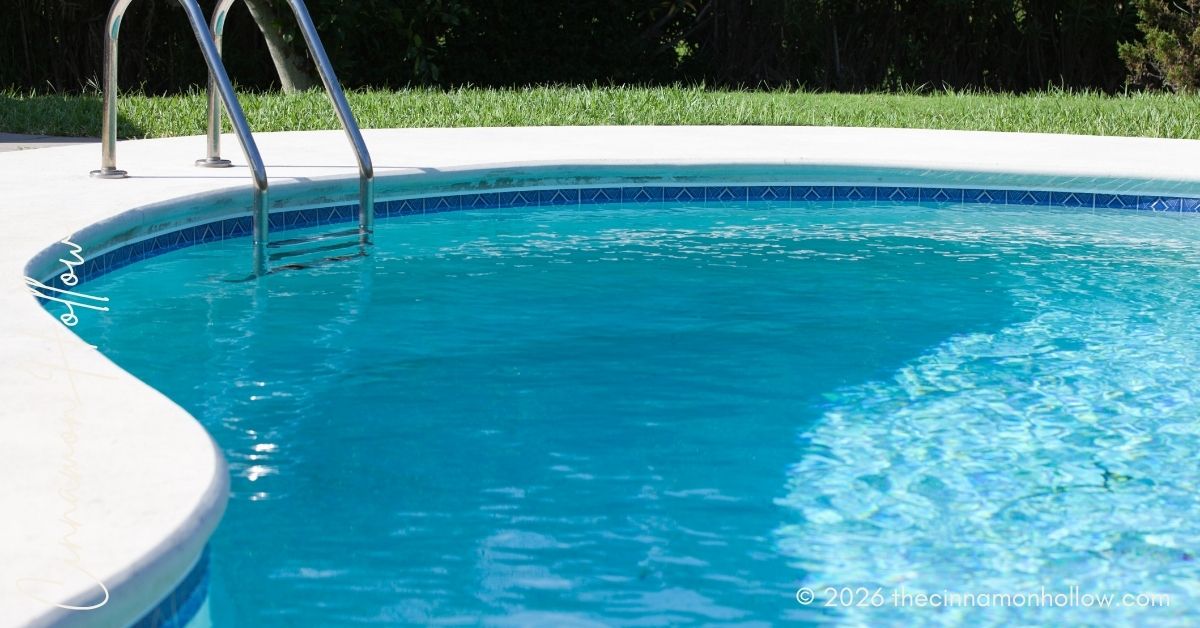
A sparkling pool on a hot afternoon is hard to beat. But behind that crystal-clear water is a system of pumps, filters, plumbing, and electrical components that all need to work together to keep the pool safe and functioning properly. Like any complex system, small issues rarely stay small for long. A minor leak, unusual noise, or slight change in water quality can quickly develop into a major repair if it’s ignored.
According to the Pool & Hot Tub Alliance, there are more than 10.7 million residential swimming pools in the United States, and many of the most expensive repairs result from maintenance issues that weren’t identified or addressed early. Components that are inspected regularly typically last longer, perform more efficiently, and are less likely to fail unexpectedly.
Whether you maintain your pool yourself or rely on a professional service, recognizing the early warning signs can save both time and money. Knowing what to look for allows you to address minor problems before they escalate into costly repairs or disrupt your swimming season.
Here are seven problems no pool owner should ever put off.
1. Cloudy or Discolored Water
Cloudy water is one of the most common complaints pool owners have and one of the easiest to dismiss as a cosmetic issue. It isn’t. Turbid or discolored water is almost always a sign that something is chemically or mechanically off. It could be poor filtration, imbalanced pH, low chlorine, or the early stages of an algae bloom.
Left unchecked, murky water creates the perfect environment for bacteria and algae to thrive. What starts as a hazy pool can turn green and slimy within days especially in warm weather. Address the chemistry first, and if the water doesn’t clear up within 24–48 hours, get a professional to take a look at the filtration system.
2. Algae Growth
Green walls, a slick floor, and water that looks more like a pond than a pool algae is one of the most stubborn problems a pool owner can face. It grows fast, spreads quickly, and can be notoriously hard to eliminate once it takes hold.
The good news is that algae almost always starts with an imbalance you can catch early. Maintain proper sanitizer levels, brush your pool walls regularly, and don’t skip circulation. If you already have visible algae, shock the pool, brush everything down, and run your filter continuously until it clears. Stubborn black algae may require professional treatment.
3. Dropping Water Level
Every pool loses some water to evaporation, especially in summer heat. But if you’re refilling more than a quarter-inch per day, you may have a leak, and pool leaks are not something to procrastinate on.
Even a small leak can erode the soil and structure around your pool, saturate your yard, damage nearby landscaping, and, if it reaches underground utilities, become a serious safety concern. The bucket test is a good starting point: fill a bucket with pool water, set it on a step, and check the difference in water loss after 24 hours. If the pool is losing significantly more water than the bucket, call a professional.
Leaks like these are exactly the kind of problem that’s inexpensive to fix early and very costly to ignore. BluePrime Pools regularly handles leak detection and diagnosis for homeowners who caught the signs early, and the difference in repair costs compared to those who waited is significant.
4. Pump or Filter Noise
Your pool pump should hum quietly in the background. If it starts making unusual sounds, that’s your system trying to tell you something is wrong. Common culprits include:
- Grinding or rattling debris caught in the impeller
- Screeching worn or failing motor bearings
- Gurgling or sucking sounds cavitation from low water level
- Humming without circulation a failing or seized motor
Ignoring pump noise is one of the costlier mistakes pool owners make. Catching a bearing issue early might cost you a minor repair. Waiting until the motor burns out completely could mean replacing the whole unit often at two to three times the cost.
5. Staining on Pool Surfaces
Stains on your pool walls or floor are more than an eyesore; they’re signs of metal contamination, organic debris buildup, or chemical imbalance. Different stains point to different causes:
- Reddish-brown stains: iron in the water or source supply
- Blue-green streak: copper from corroding pipes or algaecide
- Yellowish or brown patches: tannins from leaves and organic debris
- Black spots: black algae that has embedded into the pool surface
The longer stains sit, the harder they are to remove, and some can permanently etch plaster or vinyl if left untreated. Identify the stain type first, treat accordingly, and if they keep coming back, have your water chemistry and source water tested by a professional.
6. Cracks in the Pool Shell or Deck
Hairline cracks in a concrete or plaster pool are common and don’t always indicate a serious problem. But wider cracks, cracks that are growing, or cracks accompanied by water loss are a different story entirely. Structural cracks can allow water to seep into the surrounding soil, destabilizing the pool’s foundation over time.
Deck cracks deserve attention too. A cracked or uneven pool deck isn’t just a tripping hazard, it can signal shifting ground underneath. Have any significant cracks inspected sooner rather than later. What looks like a cosmetic fix today can become structural work if you wait.
7. Chemical Imbalance That Keeps Returning
Occasionally needing to adjust your pool chemistry is completely normal. But if you’re constantly fighting pH swings, persistent chlorine loss, or recurring cloudiness despite regular treatment, something deeper is likely off. It could be a problem with your water source, an underlying algae issue, a circulation problem, or even the wrong chemical products for your pool type.
Chasing symptoms with chemicals instead of diagnosing the root cause wastes money and can damage your equipment and surfaces over time. If your water chemistry feels like a never-ending battle, it’s time to bring in a professional for a full system assessment rather than just throwing more chemicals at it.
Conclusion
Pools are one of those things where small problems have a way of becoming big ones surprisingly fast. The good news is that most of the issues on this list are entirely preventable with consistent maintenance and a willingness to act quickly when something seems off.
Make a habit of doing a quick visual inspection every time you use the pool. Check the water clarity, listen to the equipment, look for staining or cracks, and keep an eye on your water level. The ten minutes you spend paying attention today could save you hundreds or thousands down the road.

Meg is an author at Cinnamon Hollow. She writes on a variety of topics sharing tips and ideas for daily life.