Biomedical research laboratories play a vital role in advancing healthcare, developing innovative treatments, and improving scientific understanding. To achieve reliable and reproducible results, every lab must be equipped with the right tools and technologies. From sample preservation to analytical instruments, selecting essential equipment ensures efficiency, safety, and compliance while supporting high-quality research outcomes.
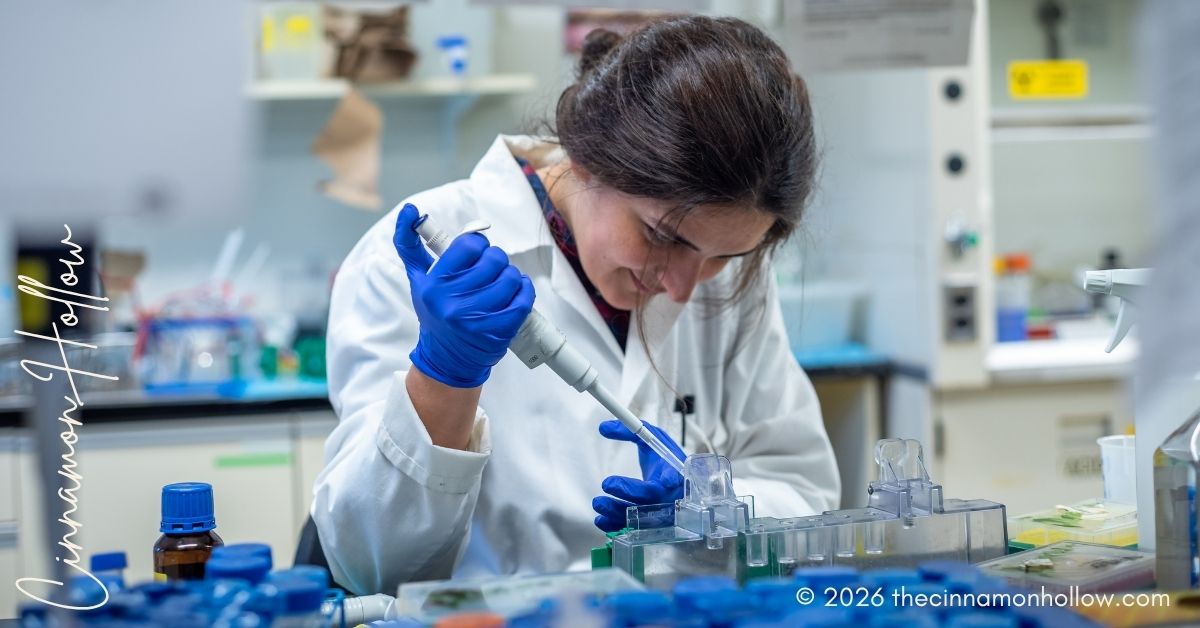
Laboratory Safety and Personal Protection Equipment
Safety is the foundation of every biomedical research laboratory. Before any experiment begins, researchers need a secure environment that minimizes risks while protecting both personnel and sensitive samples. Proper safety equipment also helps laboratories comply with industry regulations and maintain consistent operational standards.
Personal protective equipment (PPE) is the first line of defense against biological, chemical, and physical hazards. Essential items include laboratory coats, gloves, protective eyewear, face shields, and appropriate respiratory protection when necessary. These items reduce exposure to hazardous substances and prevent contamination of research materials.
Equally important are laboratory safety stations such as eyewash units, emergency showers, fire extinguishers, spill response kits, and clearly marked first-aid supplies. Biosafety cabinets provide a controlled workspace that protects researchers and samples from airborne contaminants, making them indispensable when handling infectious materials or sensitive biological specimens.
Sample Storage and Temperature Control Systems
Maintaining sample integrity is critical in biomedical research. Biological materials such as tissue samples, blood specimens, DNA, RNA, proteins, and cell cultures often require strict temperature control to remain viable throughout long-term studies.
Laboratories typically rely on multiple storage solutions designed for different temperature requirements. Standard laboratory refrigerators preserve reagents and chemicals used daily, while laboratory freezers provide medium-term storage for biological materials. Ultra-low temperature storage systems support valuable research collections that require stable environments over extended periods.
Selecting a reliable cryogenic freezer supplier is equally important for laboratories storing highly sensitive biological samples under extremely low-temperature conditions. Consistent performance, dependable temperature stability, and strong after-sales support contribute significantly to protecting irreplaceable research assets and minimizing sample loss.
Temperature monitoring systems further enhance storage reliability by providing continuous tracking, automated alerts, and historical records. These features help laboratories quickly respond to unexpected temperature fluctuations and maintain compliance with quality assurance requirements.
Backup Power and Monitoring
Even the most advanced storage equipment can be compromised during unexpected power interruptions. Backup generators, uninterrupted power supply systems, and remote monitoring solutions help safeguard valuable research collections by ensuring continuous operation and immediate notification of potential issues.
Automated monitoring also reduces manual inspections while providing researchers with greater confidence that samples remain within acceptable storage conditions.
Precision Measurement and Analytical Instruments
Accurate measurement is essential for producing dependable scientific results. Biomedical laboratories rely on various analytical instruments to prepare samples, measure chemical concentrations, and evaluate biological processes with precision.
High-quality laboratory balances enable researchers to measure small quantities of substances accurately. Precision pipettes ensure consistent liquid handling during experiments, while centrifuges separate biological components based on density for downstream analysis.
Spectrophotometers allow researchers to measure light absorption and determine sample concentration, making them valuable for molecular biology and biochemical applications. Microscopes provide detailed visualization of cells, tissues, and microorganisms, supporting both routine laboratory work and advanced research investigations.
Modern laboratories often integrate digital technologies into analytical equipment, improving data accuracy while reducing manual recording errors. Automated calibration features and user-friendly software further enhance operational efficiency and reproducibility.
Calibration and Maintenance
Regular calibration is just as important as selecting high-quality instruments. Even minor measurement inaccuracies can significantly affect research outcomes over time.
Scheduled preventive maintenance, equipment inspections, and calibration verification help laboratories maintain accuracy while extending equipment lifespan. Maintaining comprehensive maintenance records also supports regulatory compliance and laboratory accreditation efforts.
Sterilization and Contamination Control Equipment
Biomedical research depends heavily on contamination-free environments. Even minimal contamination can invalidate experiments, delay projects, and compromise valuable data. Therefore, effective sterilization equipment is essential in every research facility.
Autoclaves remain one of the most important sterilization tools, using pressurized steam to eliminate bacteria, viruses, fungi, and spores from laboratory instruments and reusable equipment. Proper sterilization protocols reduce cross-contamination and improve research reliability.
Laboratories also benefit from specialized cleaning systems, ultraviolet sterilization devices where appropriate, and dedicated waste disposal equipment for biological materials. Proper segregation and disposal of hazardous waste protect laboratory personnel while supporting environmental responsibility.
Air filtration systems contribute significantly to contamination control by maintaining clean laboratory environments and minimizing airborne particles. Controlled airflow becomes especially important in laboratories handling sterile cultures or highly sensitive biological materials.
Laboratory Workflow Design
Effective contamination control extends beyond equipment selection. Organized laboratory layouts separate clean and contaminated work areas, reducing the likelihood of accidental cross-contamination.
Clearly labeled storage spaces, standardized cleaning procedures, and well-defined workflows improve operational efficiency while supporting consistent research quality across multiple projects.
Data Management and Laboratory Support Equipment
Scientific research generates enormous amounts of information every day. Efficient data management systems have become as important as physical laboratory equipment because they help researchers organize, analyze, and protect valuable research findings.
Laboratory computers support instrument integration, statistical analysis, imaging software, and documentation processes. Secure data storage systems protect research records while enabling authorized personnel to access information whenever needed.
Laboratory information management systems streamline sample tracking, inventory management, equipment scheduling, and documentation. These digital solutions reduce administrative workloads while improving traceability throughout the research lifecycle.
Additional support equipment contributes significantly to daily laboratory operations. Vortex mixers, magnetic stirrers, water purification systems, pH meters, incubators, and orbital shakers each perform specialized functions that improve workflow efficiency and experimental consistency.
Proper labeling equipment and barcode systems further simplify inventory management, helping researchers quickly identify samples while minimizing human error.
Equipment Scalability for Future Growth
Biomedical research continues to evolve rapidly, requiring laboratories to adapt to changing scientific demands. Investing in scalable equipment allows facilities to expand their capabilities without completely replacing existing infrastructure.
Flexible laboratory planning supports future instrument integration, increased research capacity, and emerging technologies while maximizing long-term investment value.
Quality Assurance and Regulatory Compliance
Reliable equipment alone does not guarantee successful biomedical research. Laboratories must implement quality assurance programs that ensure every instrument consistently performs according to established standards.
Routine equipment validation verifies that instruments continue producing accurate and reproducible results throughout their operational life. Documented standard operating procedures provide consistency among researchers while reducing experimental variability.
Regular staff training ensures laboratory personnel understand proper equipment operation, maintenance requirements, and safety procedures. Well-trained teams are better equipped to identify equipment issues before they affect research quality.
Comprehensive documentation remains essential for audits, certifications, and regulatory inspections. Maintaining detailed records of calibration, maintenance, validation, and equipment performance demonstrates a laboratory’s commitment to scientific integrity and operational excellence.
Investing in preventive maintenance programs also minimizes unexpected equipment failures, reducing downtime and protecting ongoing research projects from costly delays.
Conclusion
Building a successful biomedical research laboratory requires more than acquiring advanced instruments. A balanced combination of safety equipment, reliable storage systems, precision analytical tools, contamination control solutions, and effective data management creates an environment where scientific discovery can thrive. Careful equipment selection, regular maintenance, and quality assurance practices help laboratories achieve accurate results while supporting long-term research excellence and operational efficiency.
The owners and authors of Cinnamon Hollow are not doctors and this is in no way intended to be used as medical advice. We cannot be held responsible for your results. As with any product, service or supplement, use at your own risk. Always do your own research and consult with your personal physician before using.

Meg is an author at Cinnamon Hollow. She writes on a variety of topics sharing tips and ideas for daily life.