An injury journal can help a person document how an accident has affected their daily life. By recording pain levels, medical appointments, physical limitations, emotional difficulties, missed activities, and other changes, an injury journal can provide a detailed record that may support a personal injury claim. It can be especially useful because some effects of an injury may be difficult to explain months after an accident.
Hobbs is a city in southeastern New Mexico near the Texas border. The community has strong connections to the oil and gas industry, along with residential areas, businesses, and roads used by local and commercial traffic. If an accident in the area causes an injury, a Hobbs injury lawyer can help explain the legal process and how records such as an injury journal may support a potential claim.
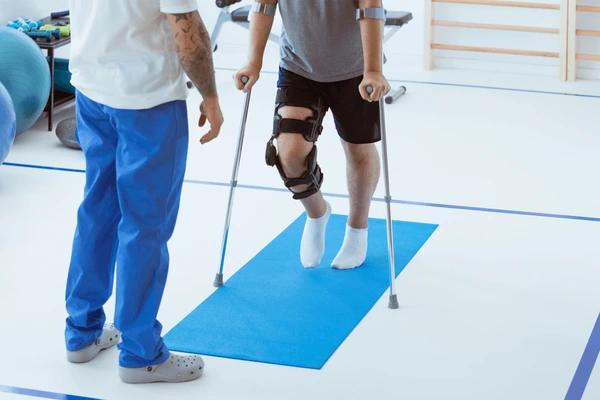
What Should You Include in an Injury Journal?
An injury journal does not need to be complicated. A person can record the date, describe their symptoms, and explain how those symptoms affected their daily activities.
For example, someone might write about difficulty walking, trouble sleeping, pain while sitting, or problems completing household tasks. The goal is to create a consistent record of how the injury affects normal life over time.
Document Your Pain and Symptoms
Pain can change from day to day. An injury journal can help show when symptoms become worse, what activities increase discomfort, and whether treatment appears to be helping.
Try to describe symptoms clearly instead of simply writing that you are in pain. Details about where the pain occurs, how long it lasts, and what activities make it worse can provide a more complete picture.
Record Medical Appointments and Treatment
An injury journal can also help organize information about medical treatment. Record appointments, therapy sessions, medications, procedures, and other recommended care.
It can also be useful to note how you feel before and after treatment. This information does not replace official medical records, but it can help you remember important details when speaking with healthcare providers or legal professionals.
Explain How the Injury Affects Daily Life
One of the most useful parts of an injury journal may be documenting changes to everyday activities. An injury can affect work, exercise, household responsibilities, childcare, hobbies, travel, and social activities.
For example, a person who previously exercised regularly may be unable to continue because of an injured knee. Another person may need help with shopping, cooking, or caring for family members. Recording these changes can help show the broader impact of the injury.
Keep Track of Emotional Effects
Physical injuries can also affect emotional well-being. Some people experience frustration, anxiety, fear, or difficulty sleeping after an accident.
If an injury affects your mood or causes you to avoid activities, you can record those experiences in your journal. Be honest and specific rather than exaggerating symptoms.
Keep the Journal Accurate
An injury journal is most useful when it is honest and consistent. Do not change details to make an injury appear more serious than it is. If your condition improves, record the improvement as well.
Keep entries dated and store the journal securely. Electronic notes can also work, provided they are maintained consistently and accurately.
How a Journal May Support a Legal Claim
An injury journal can provide a personal account of the effects of an accident, but it is only one part of a personal injury case. Medical records, bills, employment records, photographs, witness statements, and other evidence may also be important.
New Mexico generally has a three-year statute of limitations for many personal injury claims under New Mexico Statutes § 37-1-8, although different deadlines or exceptions can apply depending on the circumstances. Keeping organized records can make it easier to provide useful information while a claim is being evaluated.
What an Injury Journal Cannot Do
An injury journal does not automatically prove that another person was legally responsible for an accident. It also does not replace medical records or professional medical opinions.
Instead, it can help connect the medical effects of an injury with the person’s everyday experience. When combined with other evidence, it may provide a clearer picture of the losses caused by an accident.
Key Takeaways
- An injury journal can document how an accident affects daily life over time.
- Record pain, symptoms, medical treatment, and physical limitations honestly.
- Document changes to work, household tasks, hobbies, and other activities.
- Emotional effects can also be included when they are part of the injury experience.
- A journal works best when it is consistent, detailed, and accurate.
- It should be used alongside medical records and other supporting evidence.
- New Mexico personal injury claims may be subject to specific legal deadlines.
We are not lawyers and this is in no way intended to be used as legal advice . We cannot be held responsible for your results. Always do your own research and seek professional legal help.