Your home is probably your most valuable asset, and for good reason. Between the initial price tag and the potential for equity growth, there is significant money at stake. Purchasing a property is a massive commitment, and in many areas, those prices can easily climb into the millions.
Protecting that investment means looking beyond cosmetic improvements and keeping up with the parts of your home that provide essential protection. Because the roof plays such an important role in protecting the property, addressing signs of wear or damage with the help of roofing companies can be an important part of maintaining its value.
If you’re planning a remodeling project, though, it’s worth thinking about how your design choices could affect your bottom line down the road. The last thing you want is to pick projects at random and hope for the best.
Instead, you can use a few specific strategies to ensure every dollar you spend actually adds to your home’s resale value, making it much easier to attract strong offers once your listing goes live.
Optimize Your Outdoor Area
You’ve likely heard the saying about not judging a book by its cover, but in real estate, that is exactly what buyers do. Since a property investment is a significant financial commitment, buyers look for every sign that the property is worth the expense.
Often, their final decision is shaped by the impression they get when they pull up to the property and before they even set foot through the door. Your home’s curb appeal sets the stage for the entire property tour. It either encourages visitors to see more or can push them to the next listing sooner.
No different than when you’d likely wear your best clothes for a job interview, your home needs to look polished and welcoming. A good way to start this process is to step onto the sidewalk and view your lot through a critical lens. This might help you to prioritize trimming overgrown bushes, planting fresh seasonal flowers, or simply touching up the exterior trim with a fresh coat of paint.
Maximize Available Living Space
Since you spend so much time at home, it’s only natural to want to personalize every corner of a property to fit your life. You might have your favorite collections on display or have turned your garage into a creative workshop. However, once you decide to sell the house, you have to shift your focus toward how a future owner might feel in the space.
Even if your specific style works perfectly for you, it might not appeal to everyone. To make sure your personal taste doesn’t become a distraction during an open house, look for ways to “depersonalize” the rooms. You can do this by putting away personal items and organizing all shelves and countertops to keep them clutter-free.
Taking these steps helps visitors stay focused while they walk through the house. By clearing the “noise,” you give them a clean slate to work with. This helps them to envision how they would use the rooms for their own needs, rather than being distracted by decor that doesn’t match their taste.
Upgrade Your Lighting Features
Small details in a home’s layout significantly affect how a potential buyer perceives its value, yet many overlook the role of lighting choices. The right lighting fixtures can make a home feel cozy, spacious, and much more inviting. As a result, you should look for ways to let in as much natural sunlight as possible on every floor.
When preparing for a showing, ensure all curtains and blinds are pulled back. This simple step helps your living areas look bigger and keeps the house from feeling too cramped. It’s an easy way to change the look and feel of a room without spending any money.
For rooms in your house without windows, you might want to consider adding smart lighting or adjustable systems. These let you control how bright or warm the room’s lighting is and help you create a soft, natural feel that avoids the uncomfortable, sterile look of standard bright bulbs.
Then there’s the actual lights themselves. Contrasting these with your overall design and making sure they add to the room’s style is a part of this. Vintage lamps (like those available from Antique & Art Exchange) could be a great contrast with a more modern living room, for example.
Improve the Layouts of Your Kitchens and Bathrooms
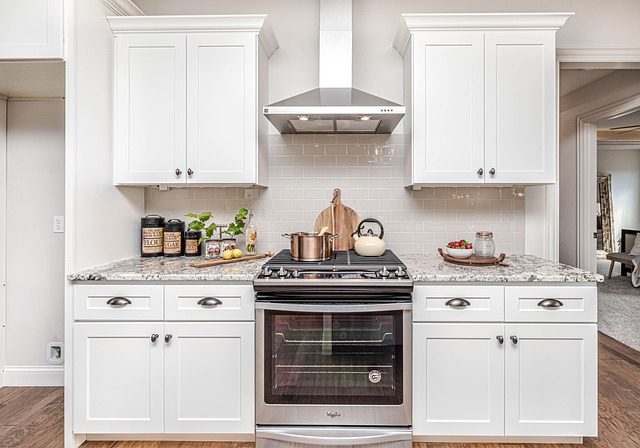
If you want to focus your home renovation efforts on what really drives real estate deals, your kitchen and bathrooms are arguably some of the most important rooms on your property.
Depending on your budget, there are a few ways you can refresh these areas. A simple but effective strategy is to replace old faucets, cabinet pulls, and knobs with modern versions. You could also look into energy-efficient appliances or low-flow plumbing fixtures. These are strong selling points for buyers seeking to lower their monthly bills and reduce their environmental impact.
While a great-looking room might catch someone’s eye, the space’s actual utility is what secures the final sale. A new owner can easily change a paint color, but dealing with old pipes or wiring behind the walls is a much bigger headache. By completing these foundational upgrades now, you create real value that smart buyers will notice right away.
Replace Outdated Flooring
Installing new floors is one of the best ways to make an old home feel brand new again. Many older properties have worn carpets or scratched floorboards, which can significantly reduce a room’s appeal. While replacing your flooring requires effort and investment, the return is almost always worth it.
Trends vary by location, but generally, buyers prefer hardwood or tile over carpet. These materials are more durable, easy to maintain, and give the home a modern look. If real wood is too expensive, there are great alternatives such as luxury vinyl planks or high-quality laminates that offer a similar look at a much lower price.
The material options you choose may also depend on the lifestyle of the buyers you’re looking to attract. While tile or wood flooring looks great, it may also raise safety concerns for buyers with families or small children. Keep these things in mind when choosing an option that’s best for you.
Protect Your Long-Term Investment
Increasing your home’s value doesn’t have to mean a full renovation or a major expense. Often, it’s the small, thoughtful improvements that make the largest impact on a buyer during a property walkthrough.
By focusing on these smart upgrades, you can maximize your equity and secure the best possible price when you are ready to move to your next home.

Rebecca Denis is the Head of Interior Design at Revive Real Estate and an accomplished interior designer with over a decade of experience creating inspired, functional spaces. Known for her refined aesthetic and meticulous attention to detail, Rebecca brings creativity and strategy together to transform everyday interiors into meaningful experiences. She’s built a reputation for turning ideas into inspiring spaces that balance beauty, comfort, and function. Rebecca's diverse portfolio includes commercial projects, curated show homes, and bespoke custom interiors—each reflecting her belief that thoughtful design can elevate how people live, work, and feel in a space.