If you have ever juggled a fridge pitcher, a countertop filter jug, and a stack of single-use bottles just to keep everyone hydrated, a dedicated water dispenser can make daily routines easier. Whether you are shopping for a family kitchen or looking for practical office hydration ideas for a small workspace, the goal is the same: clean, convenient water without constant refilling or heavy lifting.
The best choice depends on how many people use it, where it will sit, what your water source is like, and how much maintenance you are willing to handle. This guide walks through those questions so you can choose a dispenser, set it up safely, and keep it working well.
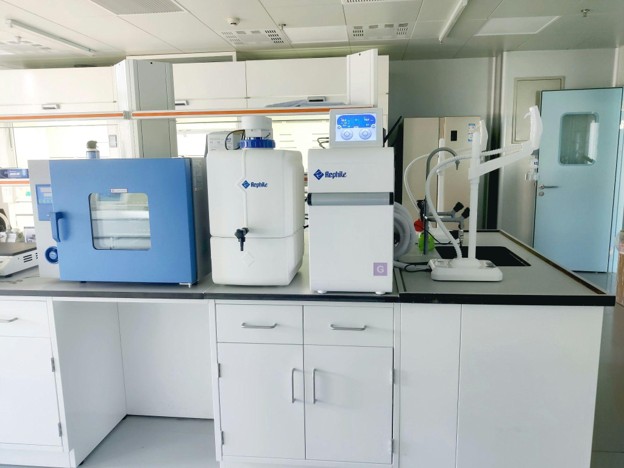
Quick-Match Scenarios
Before diving into details, here are a few common situations and the dispenser format that usually fits best:
- Apartment, 1 to 2 people, no drilling allowed: Compact countertop dispenser with a refillable tank.
- Family of 4 to 5, daily hot tea or oatmeal: Bottom-load hot-and-cold freestanding unit with a child-safety lock on the hot spigot.
- Home office, 1 to 3 people, minimal fuss: Countertop or small bottom-load unit that fits your available counter or floor space.
- Small workplace, 8 to 12 people: Bottleless freestanding dispenser connected to a water line, so the unit does not run out during busy periods.
Use these as a starting point, then fine-tune your choice with the sections below.
Know Your Starting Point: Water, Space, and People
Three practical questions narrow the field quickly: what water you are starting with, how many people will use the dispenser, and where the unit can sit safely.
Water Source and Quality
Start by understanding what comes out of your tap. Most U.S. municipal systems publish annual water quality reports, often called Consumer Confidence Reports. Review yours to see whether taste, odor, or specific contaminants are listed as concerns.
If you use well water, a recent lab test is worth having. Taste and odor issues, such as chlorine, call for a different filter than health-related concerns such as lead. The EPA health-based goal for lead in drinking water is zero, with a regulatory action level of 15 parts per billion measured at the tap. If lead is a concern in your home, rely on certified filtration products and local testing rather than guesswork.
People Count and Peak Use
A couple refilling travel mugs in the morning puts far less demand on a dispenser than a family of five plus weekend guests. In a small office, think about the morning rush and any after-lunch spike. More users at once means you may need faster recovery, which is how quickly the unit chills or heats the next cup.
Space and Placement
Measure the spot where the dispenser will live. Check for a nearby electrical outlet, ideally a ground-fault circuit interrupter, or GFCI, outlet near a sink area. For top-load models, leave enough clearance above the unit to change bottles. For bottom-load models, make sure the lower cabinet door can open fully. Keep dispensers away from direct sunlight, high-traffic pet paths, and areas where small children play unsupervised.
Dispenser Formats Explained

Top-Load Bottled
This is the classic design: a 3- or 5-gallon jug sits upside down on top of the unit. It is simple and often has a lower upfront cost. The trade-off is lifting. A full 5-gallon bottle weighs roughly 41 to 42 pounds, or about 18.6 to 19.0 kg, which can be hard on your back and awkward to position. The visible bottle can also look less tidy in a kitchen or shared area.
Bottom-Load Bottled
Bottom-load models use the same jug concept, but the bottle sits inside a lower cabinet and a pump draws water up. Swapping bottles is easier because you do not have to lift a full jug overhead, and the unit looks cleaner. The pump adds cost and may produce a low hum while dispensing.
Bottleless, Plumbed, or Point-of-Use
These units connect directly to a water line. You do not need to store bottles, schedule deliveries, or worry about running out. The trade-off is installation: you need access to a cold-water line, and renters should confirm permission before any drilling. Filter cartridges also need regular replacement.
For workplaces in Hong Kong, a water dispenser Hong Kong comparison should focus on bottleless hot-and-cold units, filter maintenance, service coverage, and pantry layout, since installation details vary by site.
Countertop
Countertop dispensers have the smallest footprint. They work well in apartments, dorm rooms, small kitchens, or a corner of a home office. Most use a refillable reservoir rather than a large jug. Check height clearance under cabinets, and make sure the drip tray is easy to remove and clean.
Filtration 101: Why Certifications Matter
Marketing language around filters can be vague. Instead of relying on broad claims, look for products tested and certified to specific NSF/ANSI standards:
- NSF/ANSI 42: Covers aesthetic improvements such as chlorine taste and odor reduction.
- NSF/ANSI 53: Addresses health-related contaminants such as lead.
- NSF/ANSI 401: Targets certain emerging contaminants, including some pharmaceuticals and pesticides.
- NSF/ANSI 372: Confirms lead-free materials in the unit itself.
Common filter media include activated carbon for taste and odor, sediment screens for particles, and reverse osmosis membranes in some bottleless units for broader contaminant reduction. Rather than trusting a broad claim, check for the actual NSF/ANSI markings in the product listing or manual.
Keep a note of when you install each filter and follow the manufacturer recommended replacement schedule. A clogged or expired filter can reduce flow and may affect water quality.
Hot and Cold Features and Safety
Many dispensers offer chilled water, room-temperature water, and a hot tap. Instant hot usually means the unit keeps a small internal tank heated and ready. It does not always mean the unit boils water on demand, and actual temperatures vary by model.
A hot-water spigot can be a scald risk, especially around children. The U.S. Consumer Product Safety Commission notes that water at 120°F, or 49°C, can cause burns with sustained contact. Look for models with a child-safety lock on the hot lever, and place the dispenser where children cannot easily reach it.
Other practical details to consider include drip-tray capacity, noise during cooling cycles, night-light features for late-night refills, and tip resistance for freestanding units around pets or toddlers.
Sizing and Capacity
For bottled units, the choice between 3-gallon and 5-gallon jugs comes down to lifting comfort versus how often you want to swap bottles.
A 5-gallon bottle lasts longer but weighs more than 40 pounds. Plan where you will store spare bottles, since they take up real floor or closet space.
For bottleless units, look at flow rate and recovery time in the product specs. Flow rate tells you how quickly water comes out of the spigot. Recovery time tells you how long the unit takes to chill or heat the next serving after someone fills a large bottle. In a home with light use this may not matter much, but in a small office with a dozen people it can affect wait times.
True Cost of Ownership
The sticker price is only part of the picture. Use this simple formula to estimate annual cost:
Upfront price + filter replacements per year x cost per filter + estimated annual electricity + bottle deliveries or service fees, if applicable = yearly total.
Bottled delivery services charge per jug and may add delivery fees. Bottleless units skip delivery costs but require periodic filter purchases. For electricity, look for ENERGY STAR certified water coolers, which are designed to reduce standby energy use compared with non-certified models. Your product page or manual should list estimated energy use.
Care and Cleaning Routine
A dispenser that is not cleaned regularly can develop biofilm, mineral buildup, or off-tastes. Use the routine below as a general guide, and always follow your model owner’s manual for approved cleaning solutions and frequency.
- Weekly: Wipe down the exterior, spigots, and drip tray with a damp cloth. Empty and rinse the drip tray.
- Monthly or per manual schedule: Sanitize internal reservoirs using only the cleaning agents your manufacturer approves. Some brands allow diluted bleach; others do not. The wrong solution can damage seals or leave residue.
- On schedule: Replace filters at the interval listed in the manual. Log the date so you do not forget.
- Periodically: Inspect hoses and connections for leaks, check that freestanding units are stable, and confirm child-safety locks engage properly.
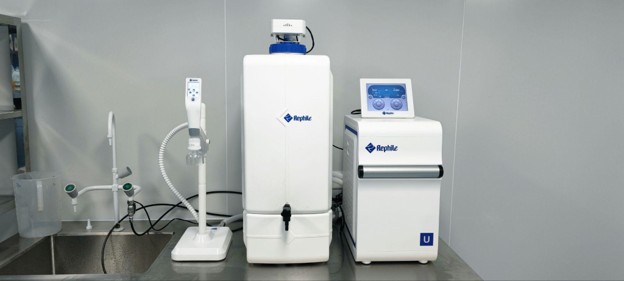
Office Hydration Ideas to Boost Daily Use
Getting a dispenser is step one. Getting people to use it consistently is step two. These simple office hydration ideas work in a home workspace or small shared office:
If you want a home-friendly example to adapt, these hydration stations can inspire simple placement, cup storage, and refill cues without making the setup feel fussy.
- Label personal reusable bottles or keep a set of mugs next to the dispenser so refilling is easy.
- Place a small fruit-infused water carafe beside the dispenser for variety, such as cucumber-mint or lemon-ginger.
- Post a friendly refill and cleaning rota on the wall or a shared calendar so one person does not handle every bottle swap.
- Set the dispenser near a coffee and tea caddy so people visit the station naturally throughout the day.
- In a hybrid workspace, place the dispenser near a meeting room or pantry area rather than right beside desks, so the cooling fan does not add noise during calls.
For U.S. workplaces, OSHA expects drinking water to be sanitary and accessible. Keeping the area tidy, the spigots clean, and cups or reusable bottles available helps support that standard and encourages regular use.
Buying Checklist
Use this quick reference when you are ready to shop:
- How many people will use the dispenser daily?
- Which format fits your space: countertop, top-load, bottom-load, or bottleless?
- What is your water source: municipal, well, or pre-filtered?
- Do you need hot water? If yes, does the model have a child-safety lock?
- Does the unit carry NSF/ANSI certifications relevant to your water concerns?
- What is the filter replacement schedule, and what do replacement cartridges cost?
- Is the unit ENERGY STAR certified?
- Will it fit your planned location with proper clearance, outlet access, and stability?
- What is the total estimated annual cost, including purchase, filters, energy, bottles, or service?
- Do you need delivery, professional installation, or both, and by what date?
Making Your Choice
There is no single best water dispenser for every home or office. The right one fits your space, matches your water quality needs, serves the number of people who will use it, and is simple enough to maintain.
Use the checklist above, narrow your options to two or three models, compare their total cost of ownership, and choose the one you are most likely to keep clean and in good working order. Consistent maintenance matters more than any premium feature.