Tooth loss can affect much more than the way your smile looks. Maybe you have started avoiding certain foods, noticed that speaking feels different, or feel less confident when you smile. If you are dealing with ongoing tooth loss in Charleston, SC, you may eventually start wondering whether dentures could make everyday life easier.
But how do you know when it is actually time to have that conversation with your dentist?
You do not necessarily need to wait until all of your teeth are gone. Depending on your oral health, the number of teeth remaining, and your overall needs, dentures may be one of several options worth discussing. Here are five signs that it may be time to schedule an appointment. Here are five signs that it may be worth scheduling a conversation with your dentist.
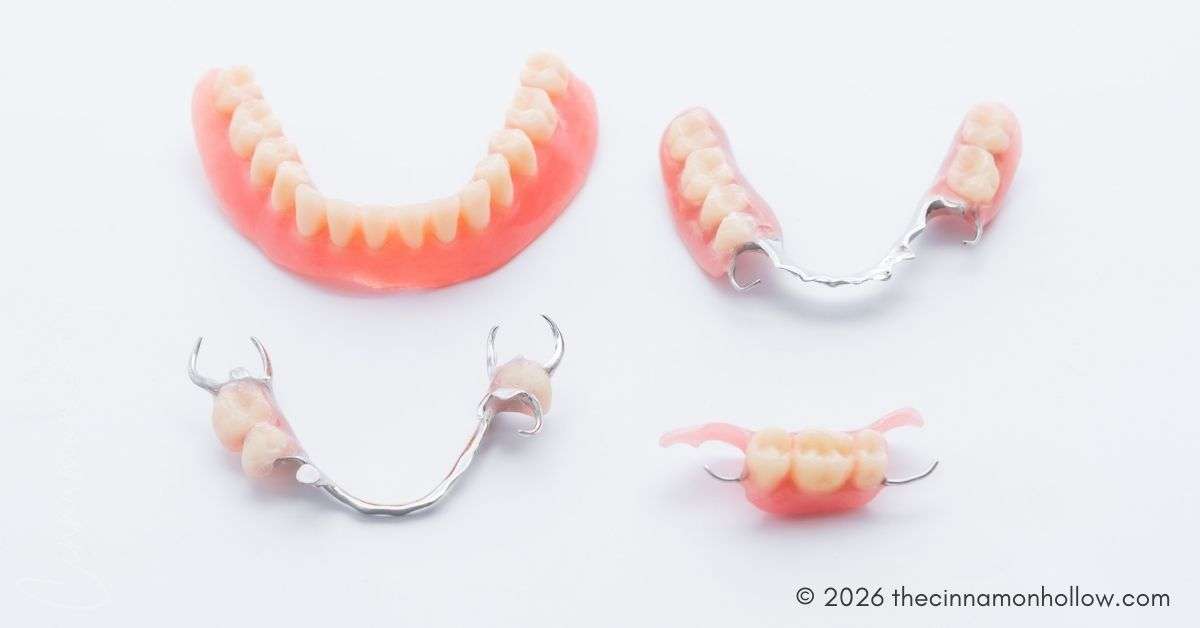
1. You Are Missing Several Teeth
Multiple missing teeth can make everyday activities more challenging. You may have trouble biting into certain foods, find yourself chewing mostly on one side, or avoid foods that require more chewing altogether.
Tooth loss can also affect speech and the appearance of your smile. When several teeth are missing, replacing them can help restore both function and confidence.
Depending on how many natural teeth remain, your dentist may discuss options such as partial or complete dentures. Other treatments, including bridges or dental implants, may also be appropriate. The right choice depends on your individual oral health, so the first step is an examination rather than assuming dentures are automatically the answer.
2. Eating Has Become More Difficult
If eating has gradually become harder, pay attention to the change. You may find yourself choosing softer foods, cutting everything into smaller pieces, or avoiding foods you once enjoyed because they are difficult or uncomfortable to chew.
Tooth loss can affect how comfortably you eat and may influence the types of foods you choose. The American Dental Association notes that tooth loss can be associated with reduced chewing ability and changes in food intake, particularly among older adults.
That does not automatically mean dentures are the right solution. Your dentist may be able to preserve some teeth or recommend another restorative treatment. The important thing is to find out what is causing the difficulty rather than simply changing your diet around it.
If chewing has become consistently uncomfortable or you are avoiding food because of missing or damaged teeth, it is worth bringing it up at your next dental appointment.
3. Your Remaining Teeth Are Loose or Severely Damaged
Sometimes the need to discuss dentures becomes apparent while you still have several natural teeth. Teeth affected by severe decay, significant damage, or advanced gum disease may become difficult to restore. Loose teeth can also indicate that the gums and supporting structures are no longer providing adequate stability.
If your dentist believes some teeth have a poor long-term outlook, you may want to discuss your options before making decisions about extraction. Depending on your circumstances, those options could include:
- Restoring and preserving existing teeth
- Partial dentures
- Full dentures
- Dental bridges
- Dental implants
- Implant-supported dentures
Having this conversation early allows you to understand what each option involves, including maintenance, comfort, appearance, and long-term considerations.
4. Your Current Dentures No Longer Fit Properly
If you already wear dentures, discomfort or poor fit is a good reason to schedule another dental appointment.
You may notice that your dentures have started slipping while you eat or talk, causing sore spots, or simply feeling less secure than they once did. These changes should not automatically be considered a normal part of wearing dentures. Over time, changes in the mouth can affect how dentures fit. Your dentist can determine whether an adjustment, repair, replacement, or another solution is appropriate.
If you are exploring dentures in Charleston, SC, a local practice such as Charleston Center for Cosmetic and Restorative Dentistry can help you discuss problems with your current dentures and understand what options may be available.
The goal is not simply to make dentures tighter or more comfortable for the moment. A professional evaluation can help determine whether your current appliance still meets your needs.
5. You Are Becoming Less Confident About Your Smile
Tooth loss can also affect how comfortable you feel around other people. Maybe you avoid smiling in photographs, cover your mouth while speaking, or feel self-conscious during meals. You may even avoid social situations because you are worried about how your teeth look or function.
These concerns are worth mentioning to your dentist. While dentures cannot solve every oral health or confidence issue, replacing missing teeth may improve both appearance and everyday function for some patients. A consultation also gives you a chance to discuss alternatives. Depending on your circumstances, implants, bridges, or other restorative approaches may be worth considering alongside dentures.
What Happens During a Denture Consultation?
If you have never discussed dentures with a dentist, you may not know what to expect. The appointment generally begins with an assessment of your teeth, gums, and overall oral health.
Your dentist may ask about your dental history and the problems you are experiencing. They may also use dental imaging when appropriate to get a clearer picture of your oral structures. The discussion can then move toward potential treatment options. A partial denture may be considered when some healthy natural teeth remain, while a complete denture replaces an entire upper or lower arch.
Some patients may also be candidates for implant-supported dentures, which use implants to provide additional stability. There is no single solution that works for everyone, which is why an individual evaluation is important.
How to Prepare for Your Appointment
You do not need to decide in advance that dentures are definitely what you want. Instead, think about the problems you want to solve. Before your appointment, consider making a note of:
- Foods you have difficulty chewing
- Teeth that feel loose or painful
- How long you have experienced these problems
- Problems with existing dentures
- Concerns about appearance or speech
- Treatments you have already tried
- Questions about alternatives to dentures
Being specific about what has changed in your daily life can help your dentist understand what you need from treatment.
Conclusion
Missing teeth, increasing difficulty with chewing, loose or severely damaged teeth, uncomfortable dentures, and growing concerns about your smile are all reasons to talk with your dentist about tooth replacement. Dentures may be an appropriate solution for some people, but they are not automatically the best choice for everyone. A professional evaluation can help you understand whether dentures, implants, bridges, or another treatment makes sense based on your oral health and daily needs. Starting the conversation early can also give you more time to consider your options rather than waiting until eating, speaking, or smiling becomes significantly more difficult.
The owners and authors of Cinnamon Hollow are not doctors and this is in no way intended to be used as medical advice. We cannot be held responsible for your results. As with any product, service or supplement, use at your own risk. Always do your own research and consult with your personal physician before using.

Meg is an author at Cinnamon Hollow. She writes on a variety of topics sharing tips and ideas for daily life.