

Medjugorje is one of the most visited pilgrimage sites in the world. Since 1981, when six young people in the village reported apparitions of the Virgin Mary, the site has drawn tens of millions of visitors from across Europe and beyond. For many of them, the journey begins in Croatia.
What surprises first-time pilgrims is how practical the logistics turn out to be, once you know what you are dealing with. The geography is straightforward. The planning details are where most people run into questions they were not expecting.
Where Medjugorje Actually Is
Medjugorje is located in Bosnia and Herzegovina, in the Hercegovina region south of Mostar. Despite being in a different country from Croatia, it sits within easy reach of the Dalmatian coast. Split is approximately 150 kilometres away. Dubrovnik is around 130 kilometres.
For pilgrims flying into the region, Split Airport is the most commonly used entry point. Dubrovnik Airport is a viable alternative for those coming from specific origins. Both connect well to Medjugorje for day trips, multi-day pilgrimages, and extended stays.
Crossing from Croatia into Bosnia and Herzegovina involves a border checkpoint, but the crossing on the Medjugorje route is routine and generally straightforward for tourists.
The Religious Significance and What to Expect on Arrival
The Catholic Church’s formal position on Medjugorje has evolved over the decades. The site does not yet have full official recognition as an approved apparition site, but Pope Francis issued a decree in 2019 permitting official diocesan pilgrimages, and in 2024 the Vatican published its most favorable assessment to date, describing Medjugorje as bearing “many positive fruits” while the investigation into the apparitions continues.
Practically, this means Medjugorje functions as an active pilgrimage site with Vatican support, visited by cardinals, bishops, and organized diocesan groups from around the world alongside individual pilgrims.
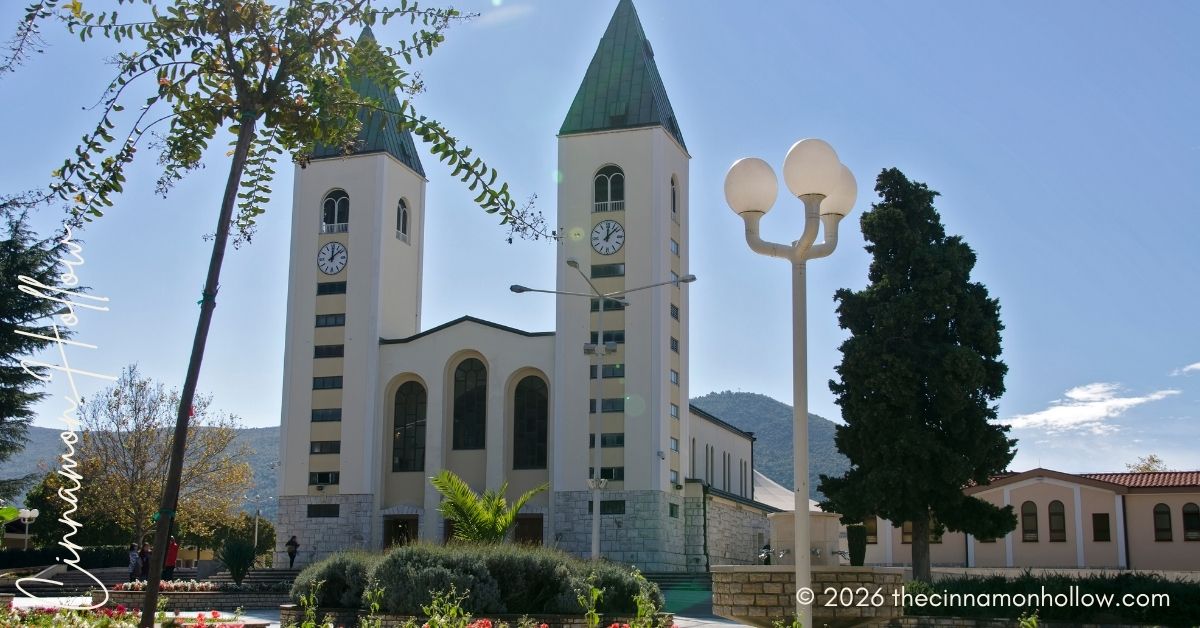
The focal points on arrival are Apparition Hill, where the first reported visions occurred, and Cross Mountain, a steeper climb with a concrete cross at the summit erected in 1934. The Church of Saint James serves as the parish church at the centre of the village and hosts multiple Masses each day in different languages.
The atmosphere is genuinely different from a standard tourist destination. The village exists primarily to serve pilgrims, and the pace and character of the place reflect that.
Planning the Journey: Practical Considerations
When to go: Medjugorje is visited year-round, but the summer months are significantly busier. June 24 and June 25, the anniversaries of the apparitions, draw enormous crowds. If you want the site to feel contemplative rather than crowded, May, September, and October offer a quieter experience with comfortable temperatures.
How long to spend: A day trip from Split or Dubrovnik is possible and some pilgrims choose it, but most spiritual directors and experienced pilgrims recommend at least two to three nights. The morning and evening programs, the outdoor rosary, and the English Mass are all scheduled at different times of day, and the atmosphere of the place accumulates rather than reveals itself immediately.
What to wear and bring: Both Apparition Hill and Cross Mountain require comfortable walking shoes. Apparition Hill is rocky and uneven. Cross Mountain is a genuine climb of about 40 minutes on a path of broken limestone. Neither requires hiking equipment, but neither should be done in sandals.
The dress code at the church is standard Catholic: shoulders and knees covered for entry.
Getting There From Split
This is the question most pilgrims have once they have confirmed their flights. Split Airport is the practical hub for most people arriving in the region, and the route to Medjugorje runs south along the coast and then inland through Bosnia.
Public transport options exist but come with limitations. Bus services from Split to Mostar run regularly, but Medjugorje sits off the main routes and requires a connection. Timetables do not align well with early-morning or late-evening arrivals, and groups of more than a handful of people rarely find a single bus that solves the problem cleanly.
Medjugorje draws visitors from all over the world, and a large share of them land at Split Airport first. The problem is rarely the distance — it is matching it to a flight that gets in at an awkward hour, a group that does not fit one bus, or a same-day return that public timetables simply do not support. Anyone researching getting from Split to Medjugorje runs into this quickly. Balkan Chauffeur arranges direct door-to-door trips for pilgrims and small groups moving between the Dalmatian coast and the shrine.
A Peaceful Pilgrimage Experience
Every pilgrim’s journey is personal, but many first-time visitors are surprised by the peaceful atmosphere that defines Medjugorje. Despite welcoming thousands of pilgrims each year, the village retains a calm, reflective character that encourages prayer and quiet contemplation.
Many visitors choose to experience:
- The evening rosary and international Mass at St. James Church.
- Quiet prayer at the statue of the Queen of Peace.
- Confession, which is available throughout the day in multiple languages.
- Time for personal reflection while walking between the main pilgrimage sites.
Although Medjugorje has restaurants, guesthouses, and souvenir shops to serve visitors, the spiritual focus remains at the heart of the village. Most pilgrims leave remembering the sense of community, prayer, and peace far more than the commercial side of the destination.
Combining Medjugorje With a Wider Itinerary
Many pilgrims visiting Medjugorje combine it with other sites in the region. Mostar, 30 kilometres north, offers one of the most beautiful Ottoman-era towns in Europe and is worth a half-day if the itinerary allows. The old bridge, the Stari Most, was destroyed during the 1990s war and rebuilt in 2004; the town itself carries its history visibly.
Some groups build a wider Croatian and Bosnian itinerary: Dubrovnik, Split, and the Dalmatian coast combined with Medjugorje and Mostar. This is a natural regional circuit that works well for pilgrimage groups who want to experience the coast alongside the spiritual focus of the trip.
According to UNESCO’s designation of Mostar’s Old City, the historic centre of Mostar represents an exceptional example of a multicultural urban settlement that merits preservation; for pilgrims in the region, it is one of the more moving detours available.
Conclusion
Medjugorje is one of those places that exceeds expectations for almost everyone who visits, regardless of where they started spiritually before arriving. The logistics from Croatia are manageable once you have the right information, and the experience of the site itself rewards the effort of getting there.
For pilgrims landing at Split, the journey is shorter than it looks on a map and straightforward with the right arrangement. What happens at the destination is harder to predict, which is, perhaps, exactly the point.
Check out our Travel Adventure videos below!


Meg is an author at Cinnamon Hollow. She writes on a variety of topics sharing tips and ideas for daily life.