Mold exposure can cause symptoms such as a stuffy or runny nose, coughing, wheezing, irritated eyes, and skin rashes, particularly in people who are sensitive to mold or already have asthma. In some cases, exposure to damp and moldy environments is associated with more serious respiratory problems.
San Diego has an estimated population of 1,406,106, and about 85% of residents lived in the same house one year earlier, according to recent Census data. That means problems inside a home can affect people for a long time before they decide to move or seek help.
If you are dealing with persistent symptoms alongside a suspected housing problem, search in Google using phrases like “San Diego mold attorney near me” to find the right lawyer who may help you understand whether the condition could raise a legal issue. In this post, we will look at the symptoms worth paying attention to and the circumstances that can make a mold problem more serious.
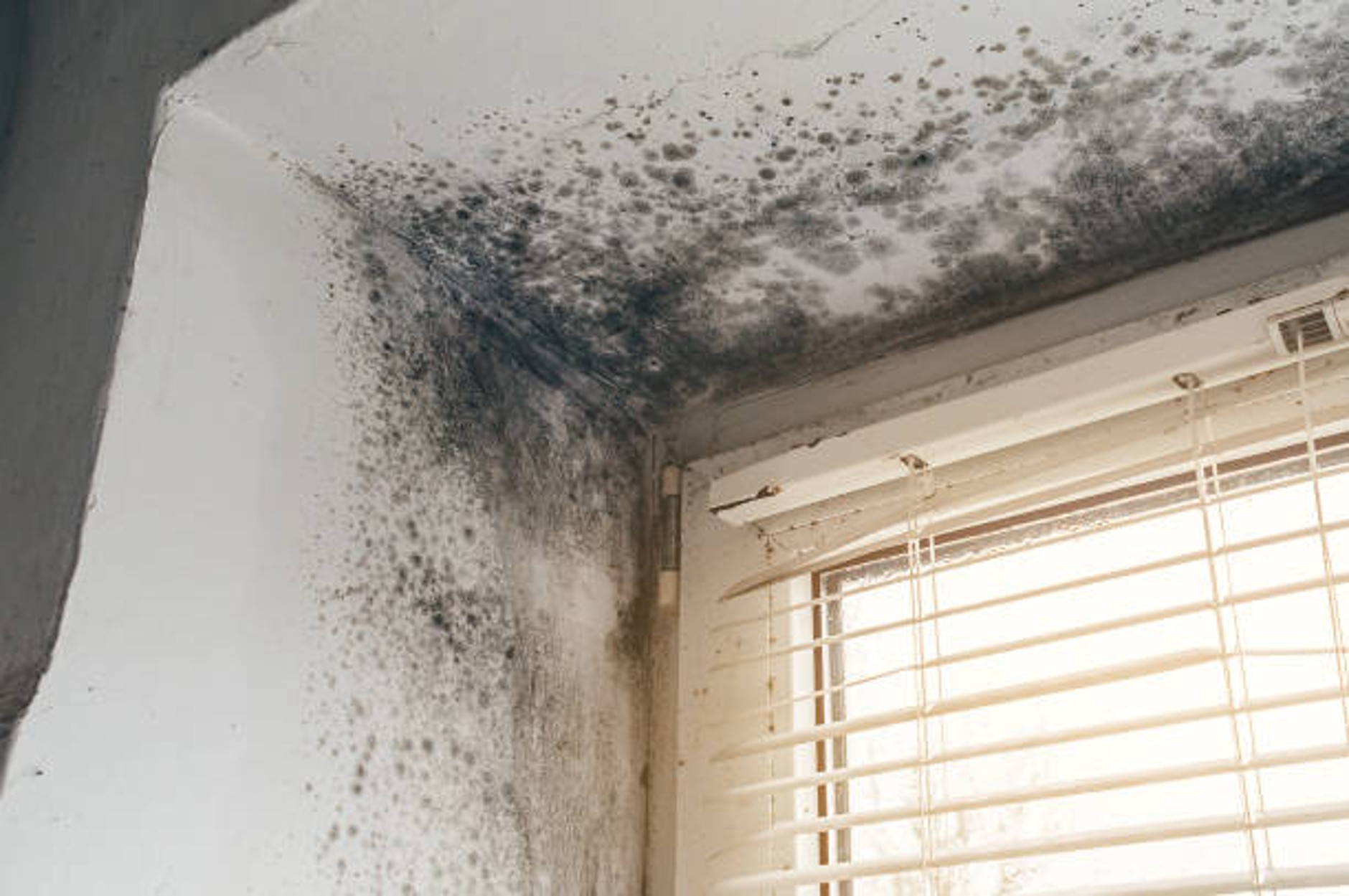
What Are the Signs That Mold Is Making You Sick?
Here are the signs that mold is the culprit behind your illness:
Persistent nasal or throat symptoms
A stuffy nose, sneezing, a runny nose, irritated throat, and post-nasal symptoms can occur after exposure to mold. Mold can trigger an allergic response, so these symptoms may be more noticeable when you spend time in a damp room and ease when you are away from it.
Coughing or wheezing more than usual
Coughing, wheezing, chest tightness, and shortness of breath deserve more attention if you have asthma. Research reviewed by NIOSH has found an association between damp indoor environments and worsening asthma symptoms, and some workers have experienced symptoms that change depending on whether they are inside the affected building.
Your eyes or skin is becoming irritated
Red, watery, or itchy eyes and skin rashes are among the reactions associated with mold exposure. These symptoms do not prove that mold is responsible, though, since many other environmental triggers can produce similar reactions.
A medical assessment can help separate a suspected mold reaction from another condition.
Feeling worse inside a particular building
If symptoms repeatedly become worse after spending several hours in one home, office, or other building and improve after being away, tell your doctor about that timing. NIOSH notes that exposure histories can be important when assessing possible work-related asthma and other health problems associated with damp buildings.
Neurological symptoms and unexplained fatigue
Exposure to toxic mold species can impact the central nervous system. Many individuals report persistent brain fog, difficulty focusing on work, unexplained headaches, and a heavy sense of physical exhaustion that does not improve after a full night of sleep.
What Should You Do If You Suspect Mold Is Affecting Your Health?
Start by speaking with a healthcare professional about persistent or concerning symptoms, particularly breathing problems. At the same time, document the condition of the building with dated photographs, records of leaks or water damage, communications with the landlord or property manager, and any repair requests.
The CDC does not recommend routine mold testing because there are no established health-based standards for acceptable indoor mold levels. Finding and correcting the moisture source is generally more useful than relying on an air sample alone.
Key Takeaways
- Mold exposure can cause respiratory, allergic, and skin symptoms in some people.
- Asthma can become worse in damp or moldy indoor environments.
- Symptoms alone cannot establish that mold caused an illness, so medical evaluation matters.
- A recurring pattern of symptoms inside one building is worth documenting and discussing with a healthcare professional.
- California law recognizes certain dampness and visible mold conditions as potential substandard housing conditions.
- Renters should document mold, moisture, and repair requests rather than relying on verbal complaints alone.
- The CDC does not recommend routine indoor mold air testing as a way to determine whether a person will become sick.

Meg is an author at Cinnamon Hollow. She writes on a variety of topics sharing tips and ideas for daily life.