A landscaper once handed me a repair estimate for $18,000 and casually mentioned it included re-sodding the entire front lawn. The pipe underneath was maybe forty feet long. That’s the moment I started paying attention to the alternative. If you own an older house, there’s a decent chance a clay, cast iron, or Orangeburg line is quietly failing somewhere under your yard or slab. You won’t always see it coming. Sometimes it’s a soggy patch that never dries. Sometimes it’s a slow drain in the laundry room that you’ve blamed on lint for two years.
By the time it’s obvious, you’re staring at a choice: dig everything up, or fix the pipe from the inside. That second option is worth understanding before you sign anything, because it changes the cost, the timeline, and how much of your Saturday you lose to a backhoe.
What pipe rehabilitation actually means
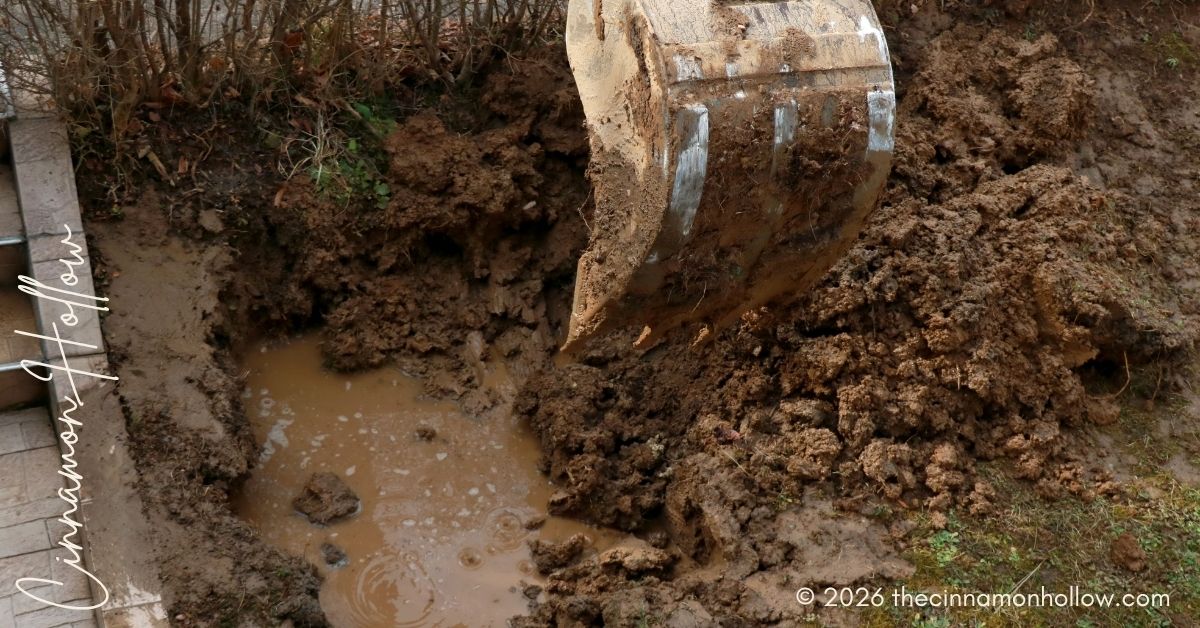
Picture a pipe that’s cracked, root-invaded, or scaled with decades of buildup. Traditional repair means excavation: dig down, cut out the bad section, drop in new pipe, backfill, patch the driveway, apologize to your neighbor about the fence. pipe rehabilitation flips that approach. Instead of removing the pipe, you restore it in place. In most residential cases that means inserting a resin-saturated liner that cures against the inside wall of the existing pipe, or spraying a structural coating onto the interior surface. The host pipe becomes a shell. The new lining carries the flow.
Does it work on every pipe? No, and anyone who tells you otherwise is selling something. It needs a pipe that’s still roughly round, still structurally present, and clean enough for the liner or coating to bond. That’s why every competent contractor runs a camera through the line first. If someone quotes you a number before seeing the inside of your pipe, that number is a guess dressed up as an estimate.
A short history, because it explains why this exists
The idea isn’t new. Cured-in-place lining came out of European sewer research in the early 1970s, and it moved into American municipal work not long after. Cities adopted it for a boring reason: digging up every street in a downtown grid is a political and financial nightmare. Restoring pipes from inside manholes solved a problem that excavation couldn’t solve at any reasonable price.
Homeowners inherited the technology decades later, mostly through sewer line failures in postwar housing stock. According to the Environmental Protection Agency, aging and deteriorating drinking water and wastewater infrastructure is a major national concern, and much of that pipe network sits under neighborhoods built between 1945 and 1975. That timing lines up almost exactly with the houses now hitting their first real pipe crisis.
How do you know which method fits your pipe?
You don’t, not yet. But you can narrow it down fast by asking three questions when a contractor walks your property.
- What does the camera show? Ask to see the footage, not a summary of it. Cracks, offset joints, root intrusion, and bellies in the line all push you toward different solutions.
- Is the pipe still round? A deformed or collapsed section usually rules out lining and pushes you back toward excavation, spot repair, or pipe bursting.
- What’s the diameter and material? Clay, cast iron, concrete, and PVC behave differently. A method that’s perfect for one is a waste of money on another.
Here’s my honest take: if your line is mostly intact with a couple of problem spots, lining the whole run is often overkill. Spot repair the damaged section, save the money, and revisit in five years. If the pipe is failing in multiple places along its length, lining the full run usually beats patching it piece by piece, because you’ll be back in the same trench within a few years otherwise. Contractors rarely volunteer this distinction. Ask for it.
The American Water Works Association publishes guidance on pipeline assessment and renewal that contractors work from, and it’s a decent checking tool if you want to understand what you’re being sold before you agree to it at American Water Works Association.
What the disruption actually looks like
This is the part homeowners care about most, and it’s where trenchless methods earn their keep.
| Factor | Dig-and-replace | Rehabilitation from inside |
| Yard and hardscape | Full excavation along the run | Small access pits, or none at all on some runs |
| Typical timeline | Days to weeks, plus restoration | Often a day or two for a residential run |
| Driveway and walkways | Frequently cut and repoured | Usually untouched |
| Post-job punch list | Sod, concrete, fencing, irrigation lines | Mostly backfill of two small pits |
That last row matters more than people expect. I’ve watched a straightforward pipe replacement turn into a six-week project because the excavator clipped an irrigation main and a gas line stub in the same afternoon. Every additional utility under your yard is another thing that can go wrong. Fewer digs means fewer surprises.
One more thing: a thinner pipe after lining. You lose a small amount of internal diameter. In a residential sewer line that’s almost never a functional problem, but if your line already runs near capacity during heavy rain, ask the contractor to walk you through the flow math. That’s a fair question, and a good contractor will answer it without getting defensive.
Red flags worth walking away from
- A bid with no camera inspection attached to it
- No discussion of pipe material or diameter
- Pressure to decide the same day, usually framed around a discount that expires
- No mention of a warranty length on the liner or coating itself
- A quote far below everyone else’s, which usually means the pipe prep work gets skipped
And here’s a stance I’ll defend: get three bids, but don’t pick the cheapest one by default. Pipe work is a prep-heavy trade. The visible part, the liner going in, is the easy part. The cleaning, the camera verification, the joint prep, that’s where jobs succeed or quietly fail three years later.
What it costs you if you wait
Small pipe problems don’t stay small. Root intrusion widens cracks. Cracks let in soil. Soil causes blockages and, eventually, sinkholes or sewage backups into your basement. The American Society of Civil Engineers has reported for years that the nation’s infrastructure, including wastewater systems, carries a substantial maintenance backlog, and that backlog shows up at the residential level as deferred pipe repairs that compound.
Waiting rarely saves money. It usually converts a lining job into an excavation job. If your camera footage shows active deterioration, deal with it in the season you found it, not the season after next.
Start with a camera, not a contract
Book the inspection first. Watch the footage. Ask what the pipe material is, whether it’s still round, and how long the proposed fix is warrantied. That single hour of looking before you sign will tell you more about your yard’s future than any estimate ever will. Your lawn can only take so many backhoes. Find out which camp your pipe is in before someone else decides for you.

Meg is an author at Cinnamon Hollow. She writes on a variety of topics sharing tips and ideas for daily life.