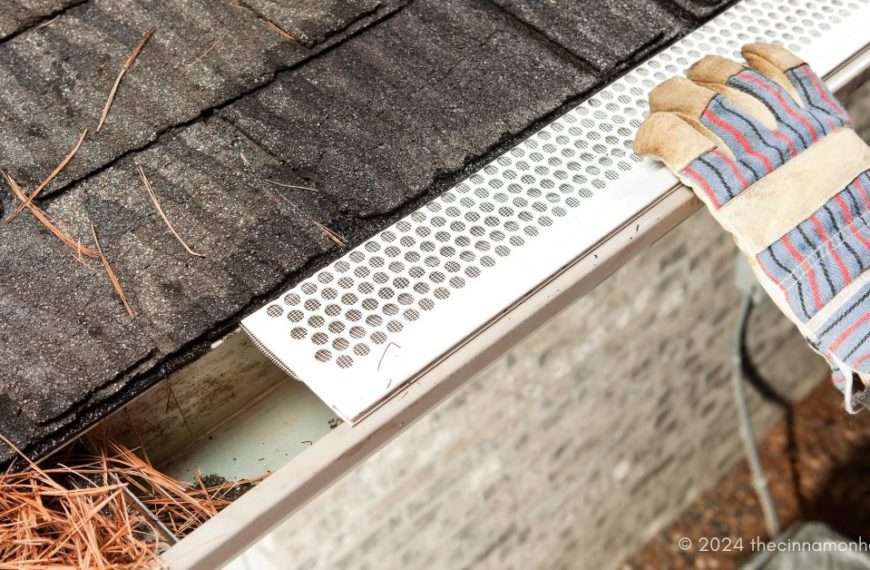
A roof leak doesn’t show up all at once. First it’s a small brown ring on the ceiling. Or a musty smell coming down from the roof space. Sometimes just a few drops on the carpet during a storm.
Rain stops, drip dries up, most people forget about it. That’s the mistake right there. Water keeps doing damage even after you stop noticing it. Usually a good time to call trusted leaking roof repairs perth teams, before it gets worse.
Here’s the part that catches people out. The stain on your ceiling almost never marks where the water actually got in.
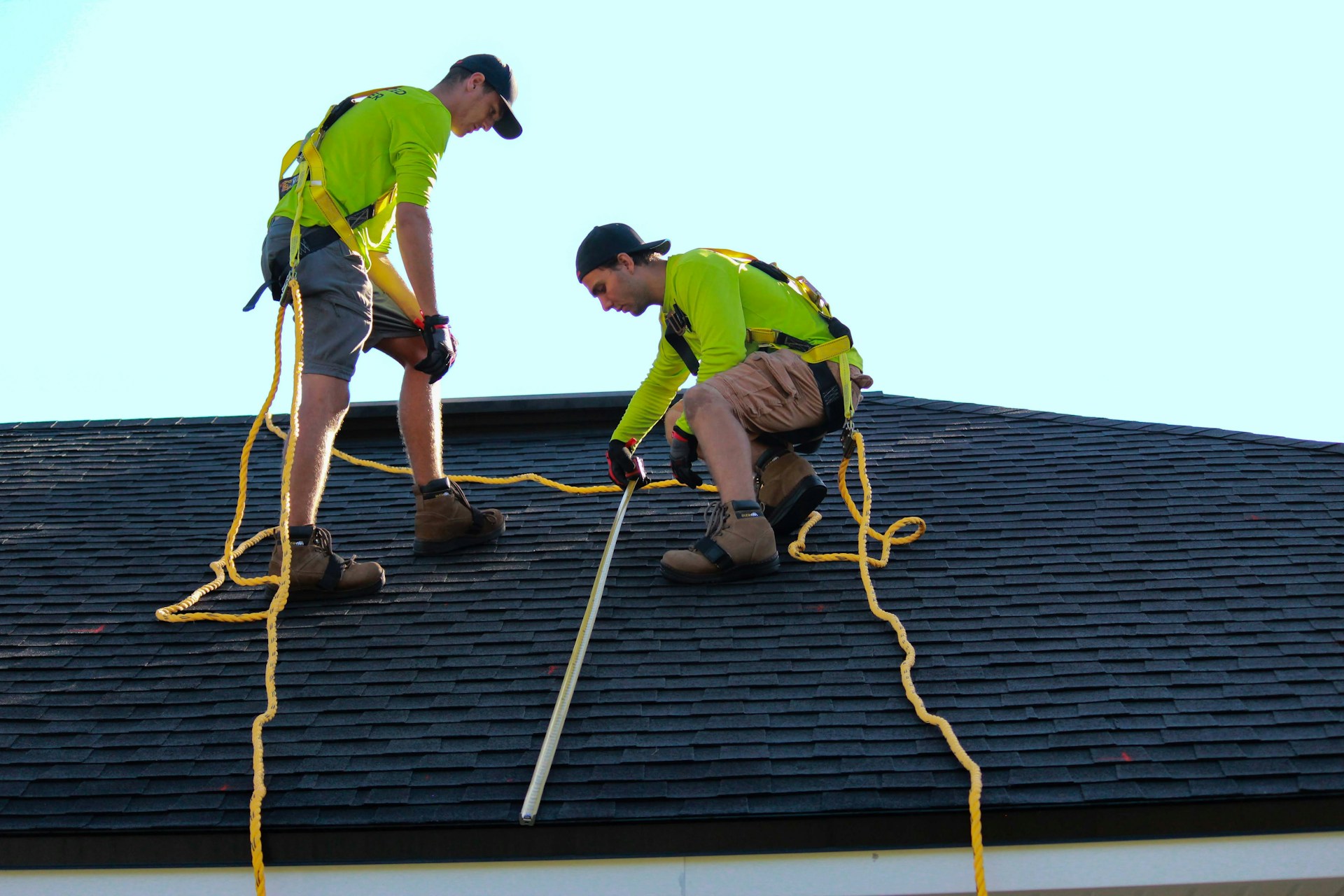
Signs to watch for
Don’t need to know anything about roofing for this.
A fresh yellow or brown mark on the ceiling. Paint bubbling near the ceiling line. A musty smell in the roof space that wasn’t there last week.
After a heavy storm, walk around outside the house. Stay on the ground, just look up. A cracked tile. One that’s slipped. Water pooling in a gutter.
Things worth keeping an eye on:
- Stains or wet patches on the ceiling
- Musty smell in the roof space
- Tiles cracked, broken, or missing
- Water showing up after rain, out of nowhere
- Gutters clogged with leaves and gunk
- Gutters sagging away from the roofline
- Daylight coming through the roof where it shouldn’t
None of this pinpoints the actual problem. Just tells you the roof needs a proper look. Soon.
The drip lies about where the leak actually is
Roof leaks are hard to track down. Here’s why.
Water gets under a cracked tile, travels sideways a metre or more, then drips through the ceiling somewhere else entirely. So that wet patch in your lounge room? Might have nothing to do with what’s directly above it.
Same story around chimneys, skylights, vents, walls. All of them rely on flashing to keep water out. Flashing cracks. It rusts. It works loose. Once that happens, rain finds a way in and travels a fair distance before you ever notice.
Patch the first thing you find, and the leak just comes back next time it rains. It didn’t go anywhere. It just hid for a while.
A few spots cause most of the trouble
Not every part of a roof fails at the same rate.
Broken tiles
Terracotta and concrete tiles get brittle with age. One cracks, there’s an opening that wasn’t there before.
Ridge capping
The caps along the top of the roof sit on mortar. Mortar cracks over the years. Gaps form, water gets underneath.
Flashing
Metal that seals gaps around chimneys, skylights, vents, walls. Damage it, it stops doing its job.
Gutters
Job is moving water away from the roof. Fill them with leaves and junk, and during heavy rain that water backs up somewhere it shouldn’t.
Roof valleys
Where two roof sections meet. A lot of water runs through here, so damage in a valley opens up another way in.
Could be any one of these. Could be somewhere else. Either way, it’s the whole roof that needs checking, not just whatever’s under the stain.
Finding the source is the real job
Spotting a stain is easy. Working out where the water got in takes more effort. That’s the part that actually matters.
A proper inspection covers tiles, ridge capping, flashing, valleys, gutters, and any other gaps. Getting into the roof cavity itself often shows which way the water’s been travelling.
Jamart Roofing takes this approach on its roof leak service page. Checks the whole roof, not just the first visible spot.
Looking for trusted leaking roof repairs perth? This is exactly why it matters. Patch only what you can see, skip finding the source, and you’ll probably deal with the same leak again.
Saves money too. A leak doesn’t mean the whole roof’s done for. Most of the time it’s one bad tile or a bit of flashing. Nothing more dramatic.
Don’t wait for the next storm
A small-looking leak can turn into something bigger fast. Longer water sits in the roof space, more damage it does.
Ceiling material, insulation, timber, all of it takes a hit from ongoing moisture. A damp patch left alone long enough is exactly where mould shows up.
The actual fix might be small. One tile. One bit of flashing. But no way to know until someone’s actually found where the water’s coming from. Sort it early, usually a smaller job, smaller bill too.
Questions people tend to ask
Does a ceiling stain always mean the roof’s leaking?
Not always. Plumbing issues and condensation leave similar marks. Worth ruling those out first.
Why does water end up somewhere other than the damaged spot?
Travels through the roof space before it reaches the ceiling. By the time it shows up, could be well away from where it got in.
Can I fix a small roof leak myself?
You can protect what’s inside, catch the drips, move furniture clear. Actually repairing the roof, different job. Can’t safely find where water’s coming from? Get someone in who can.
Knowing where a leak started makes the whole thing easier. The ceiling stain only tells half the story. Knowing where a leak started makes the whole thing easier. The ceiling stain only tells half the story. It’s just the last stop on a trip the water already took through your roof, long before it ever reached your ceiling.